К содержимому
learnspaceYOUR NEXT CHAPTER
ПРОСТРАНСТВО ОБУЧЕНИЯ
ГлавнаяКаталог курсовМоё обучениеCoursera

Знания без границ

Учитесь у лучших университетов и компаний мира.

Открыть Coursera
Интеграция
Пространство университета
Моё пространствоСтраница курса
↵
ЯЛичный кабинетСтудент
© 2026 LearnSpaceКаждый день — возможность узнать больше.Помощь
The Art and Science of Economic Policy · LearnSpace
Назад в каталог
courseraОбщество

The Art and Science of Economic Policy

Курс от Indian Institute for Human Settlements

Начальный≈ 13.4 чАнглийский
О курсеНавыкиПрограммаПреподаватели

О курсе

Based on the acclaimed book, ‘In Service of the Republic’, by Vijay Kelkar and Ajay Shah, this course presents a rigorous framework for understanding economic policymaking – through concepts, cases, and discussions. Why do well-intentioned policies fail? How do incentives, transparency, and State capacity determine policy outcomes? And what does economic policymaking look like, in a complex democracy like India? Drawing from one of the most widely read and discussed books on Indian public policy, the course The Art and Science of Economic Policy translates a comprehensive volume into an interactive learning experience—combining video lectures, Indian case studies, readings, and forums. In this six-module, self-paced course, learners will work through core concepts in economic policymaking—the role of the government, market failure, information problems, and institutional design—and the collaborative pathways between government and knowledge institutions through which policy is designed and implemented. No prior economics training is required for enrolment, though familiarity with basic concepts will be helpful. You should enrol, if you are: • Civil servants and government officials working on economic and urban policy • Aspirants preparing for the IAS, IPS, and other civil services examinations • Policy researchers and development sector professionals • Students of public policy, economics, business, or law • Corporate employees and business leaders looking to understand economic policy and development work Why you should enrol: Each citizen plays an important role in shaping the Indian Republic. This course explains the relevance and impacts of economic policymaking in everyday life in an accessible manner—enabling citizens, public servants, and learners to understand the implications of various aspects of governing a Republic. By the end of this course, you will: • Understand the role of the government in economic policymaking—and the conditions under which it succeeds or fails • Recognise the objective aspects of policymaking, and appreciate the softer and people-focused aspects involved • Gain the ability to analyse the steps involved in the process of policymaking, and understand the various nuances and challenges in defining and implementing it • Be able to engage more confidently and rigorously with economic policy debates—as a citizen, a practitioner, or a student of public affairs.

Навыки, которые вы освоите

Policy AnalysisEconomicsEconomics, Policy, and Social StudiesPolicy DevelopmentGovernanceBehavioral EconomicsFinancial PolicyProgram ImplementationDecision MakingPolitical SciencesPublic AffairsEconomic DevelopmentMarket DynamicsCompetitive AnalysisPublic PoliciesSupply And DemandPolicy Analysis, Research, and Development

Программа курса

6 модулей · 85 учебных материалов

01Introduction to The Art and Science of Economic Policy8 материалов

Introduction

Welcome to the CourseВидеоCourse Overview and ObjectivesЧтениеMeet the Course TeamЧтениеImportant Course InformationЧтение

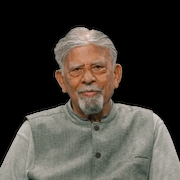
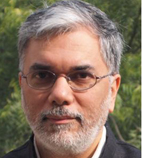
Учитесь у экспертов

Aromar Revi

Director

Ajay Shah

Research Professor of Business

Vijay L Kelkar

Board Member

The Art and Science of Economic Policy
В каталоге вашей программы

Инвестируйте в себя

Новые знания — в удобное для вас время.

Начать на Coursera

Обучение откроется на Coursera
в новой вкладке

Обучение на Coursera

≈ 13.4 ч

6 модулей

Язык: Английский

Субтитры: Арабский, Французский, Украинский, Китайский (Китай), Греческий, Итальянский, Бразильский португальский, Нидерландский, Корейский, Немецкий, Пушту, Русский, Тайский, Индонезийский, Шведский, Турецкий, Испанский, Дари, Хинди, Японский, Казахский, Польский

Часть программы вашего университета
Pre-Course SurveyPLUGIN
Introduce Yourself and Meet Your PeersОбсуждение
The $3 Trillion Indian EconomyОбсуждение
SummaryВидео
02The Foundations of Policymaking19 материалов

Introduction to the Foundations of Economic Policymaking

Introduction to the Foundations of Economic PolicymakingВидео

Why do we need a Government?

Why do we need a Government?ВидеоMarket failure enters the formal regulatory frameworkЧтениеStoring Card Data online - should it be prohibited?ЧтениеDo we need a government?Обсуждение

What can a Government do?

What can a government do?ЧтениеWhat should a government do, and should not do?ОбсуждениеLet's talk about "Infrastructure"Чтение

The Failures of the Past

The Failures of the PastВидеоHow many years is India behind the US or the UK?ЧтениеTalking about failureЧтение

Reasons for Failure

Reasons for FailureВидеоWho should be allowed to vote?ЧтениеSolving the air quality problem – the Importance of dataЧтениеSocialised Healthcare in India – MCPFЧтениеDo ends justify means? Чтение

Module Assessment

The Foundations of PolicymakingЗадание

Module Summary: The Foundations of Policymaking

State Failure - Information ConstraintОбсуждениеModule Summary: The Foundations of PolicymakingВидео
03The Science of Economic Policymaking22 материалов

Introduction to the Module

Introduction to the Science of Economic PolicymakingВидео

Incentives

IncentivesВидеоHow do we measure healthcare capacity?Чтение

Pricing

PricingВидеоThe Price System and Efficient Resource Allocation ЧтениеThe pandemic and masksЧтениеMinimum Support PriceЧтение

Competition

CompetitionВидео

Equilibrium Effects and Redistribution

Equilibrium Effects and RedistributionВидеоUniversal Basic Income and General EquilibriumЧтениеWorkfare ProgrammesЧтениеTrading in Emission PermitsЧтение

The Role of Private Players

The Role of Private PlayersВидео

The Power of Decentralisation

The Power of DecentralisationВидео

Thinking Analytically

Thinking AnalyticallyВидеоAntibiotic Resistance ЧтениеInfrastructure Financing ЧтениеKnow Your CustomerЧтениеCan corruption be eliminated?Чтение

Module Assessment

The Science of Economic PolicymakingЗадание

Module summary: The Science of Economic Policymaking

Transaction Costs PerspectiveОбсуждениеModule Summary: The Science of Economic PolicymakingВидео
04The Art of Economic Policymaking20 материалов

Introduction to the Art of Economic Policymaking

Introduction to the Art of Economic PolicymakingВидео

The Importance of Patience and Depth

The Importance of Patience and DepthВидеоCOVID-19 Vaccines: Slow is FastЧтениеThree big ideas for successful policy implementationЧтениеWhat does it take to clean a river?Чтение

Importing International Experiences

Importing International ExperiencesВидео

Managing Complexity

Managing ComplexityВидеоMonetary and fiscal policy: Simple or complex?Чтение

The Importance of Transparency

The Importance of TransparencyВидео

Criticism and Conflict

Criticism and ConflictВидеоCriticism and the freedom of speechЧтение

The Country is not a Company

The Country is not a CompanyВидеоThe Case of Robert McNamaraЧтениеOpen and Closed SystemsЧтениеBureaucrats are not StakeholdersЧтение

The Role of Government: Enable, not Control

The Role of Government: Enable, not ControlВидеоKeeping the State out of central planning Чтение

Module Assessment

The Art of Economic PolicymakingЗадание

Module Summary: The Art of Economic Policymaking

Importing ExperiencesОбсуждениеModule Summary: The Art of Economic PolicymakingВидео
05Implementation of Economic Policy14 материалов

Introduction to the Implementation of Economic Policy

Introduction to the Implementation of Economic PolicyВидео

The Policy Pipeline

The Policy PipelineЧтениеKnowledge Check Quiz (Ungraded)Задание

How a Government can Implement Policy

How a Government can Implement PolicyВидео

Sequencing

Elements in SequencingЧтениеElement 1: Capacity BuildingЧтениеElement 2: PrerequisitesЧтениеElement 3: Learning by DoingЧтениеElement 4: Managing the Political EconomyЧтениеElement 5: Restraining abuse of coercive powerЧтение

Building State Capacity

Building State CapacityВидео

The Importance of Knowledge Institutions

The Importance of Knowledge InstitutionsВидео

Module Assessment

Implementation of Economic PolicyЗадание

Module Summary: Implementation of Economic Policy

Module Summary: Implementation of Economic PolicyВидео
06Conclusion: The Art and Science of Economic Policy2 материалов

Course conclusion

Post-Course SurveyPLUGINThank You!Видео