К содержимому
learnspaceYOUR NEXT CHAPTER
ПРОСТРАНСТВО ОБУЧЕНИЯ
ГлавнаяКаталог курсовМоё обучениеCoursera

Знания без границ

Учитесь у лучших университетов и компаний мира.

Открыть Coursera
Интеграция
Пространство университета
Моё пространствоСтраница курса
↵
ЯЛичный кабинетСтудент
© 2026 LearnSpaceКаждый день — возможность узнать больше.Помощь
Circadian clocks: how rhythms structure life · LearnSpace
Назад в каталог
courseraЗдоровье

Circadian clocks: how rhythms structure life

Курс от Ludwig-Maximilians-Universität München (LMU)
Уровень не указан≈ 13.1 чАнглийский
О курсеНавыкиПрограммаПреподаватели

О курсе

This course is geared towards starting undergraduate students. A solid background in biology will be helpful but not absolutely essential. The material will be of interest to those who are pursuing a career in any of the life sciences as well as anyone who has run up against their biological clock.

Навыки, которые вы освоите

PhysiologyMolecular BiologyBiologyEnvironmentPathologyLife SciencesPharmacologyHealth CareMolecular, Cellular, and MicrobiologyChronic DiseasesMedical Science and Research

Программа курса

6 модулей · 64 учебных материалов

01WEEK 112 материалов

Lecture 1: Introduction to chronobiology

1.0 Introduction to the First Half of Lecture 1Видео1.1 The Family of Biological Rhythms Видео1.2 The Circa-RhythmsВидео1.3 Spatial and Temporal NichesВидео1.4 The Case of Gonyaulax polyedra

Учитесь у экспертов

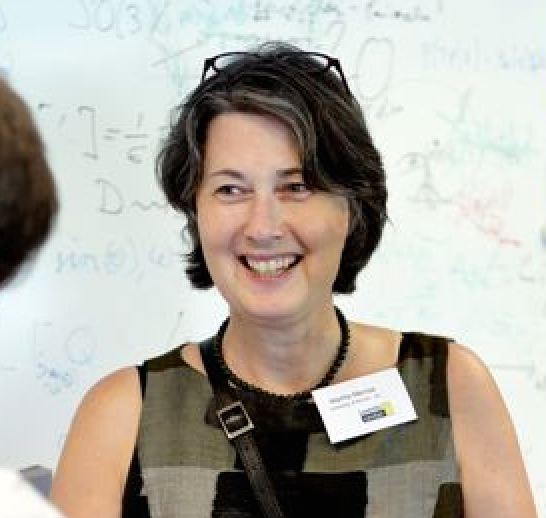
Martha Merrow

Professor

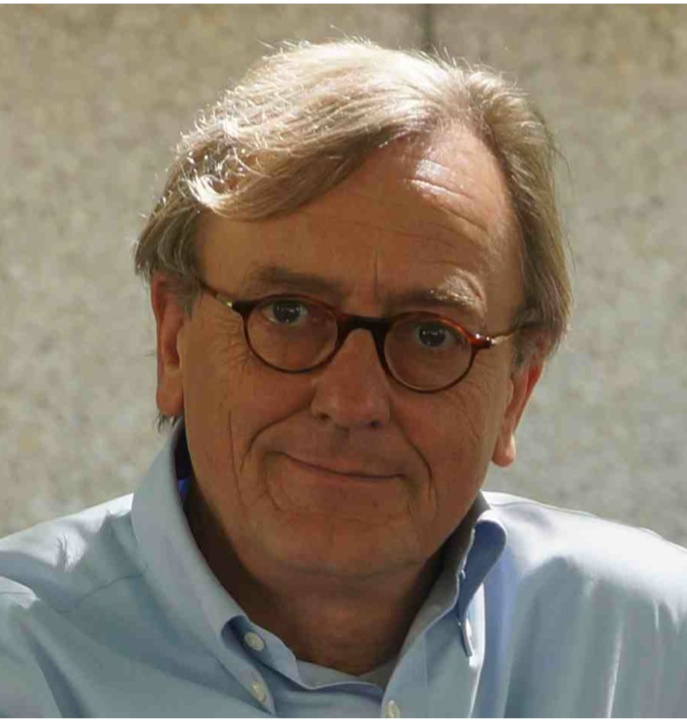
Till Roenneberg

Professor

Circadian clocks: how rhythms structure life
В каталоге вашей программы

Инвестируйте в себя

Новые знания — в удобное для вас время.

Начать на Coursera

Обучение откроется на Coursera
в новой вкладке

Обучение на Coursera

≈ 13.1 ч

6 модулей

Язык: Английский

Субтитры: Арабский, Французский, Украинский, Китайский (Китай), Греческий, Итальянский, Бразильский португальский, Нидерландский, Корейский, Немецкий, Пушту, Русский, Тайский, Индонезийский, Шведский, Турецкий, Испанский, Дари, Хинди, Японский, Румынский, Казахский, Польский

Часть программы вашего университета
Видео
Lecture 1, Introduction, first half.Задание
1.5 Introduction to the Second Half of Lecture 1 Видео
1.6 Circadian Rhythms in Mammals Видео
1.7 Circadian Clocks in Flies, Plants and FungiВидео
1.8 Wrap up for Lecture 1Видео
Lecture 1, Introduction, second half.Задание
Literature suggestionЧтение
02WEEK 29 материалов

Lecture 2: Circadian formalisms and entrainment

2.0. Introduction to Lecture 2 Видео2.1 Pittendrigh´s generalisations 1-9 Видео2.2 Pittendrigh´s generalisations 10 and 11 Видео2.3 Pittendrigh´s generalisations 12-16 and entrainmentВидео2.4 Wrap-up for Lecture 2ВидеоFormalismsЗаданиеLiterature suggestionЧтениеTranslation of de Mairan's botanical observationЧтениеObituary Jürgen AschoffЧтение
03WEEK 310 материалов

Lecture 3: Molecular mechanisms

3.0 Introduction to Lecture 3Видео3.1 The first clock geneВидео3.2 The negative feedback hypothesis Видео3.3 More clock genes -many more! Видео3.4 Post transcriptional mechanisms and the clock Видео3.5 Indications of a non-transcriptional clock Видео3.6 Zeitgebers and the molecular clockworkВидео3.7 Wrap-up to Lecture 3ВидеоLecture 3 Molecular mechanismsЗаданиеLiterature suggestionЧтение
04WEEK 410 материалов

Lecture 4: What does the circadian clock regulate: the concept of "clock control"

4.0 Introduction to Lecture 4Видео4.1 Clock control: which processes in humans and how to measure them? Видео4.2 Schwänzeltanz Видео4.3 The SCN regulates the timing of physiology and behaviour Видео4.4 Clock controlled genes (ccg´s) Видео4.5 Clock regulation of behaviour: genetic mechanisms Видео4.6 Clock regulation of other major regulatory systems Видео4.7 Wrap-Up to Lecture 4ВидеоLecture 4: Clock controlЗаданиеLiterature suggestionЧтение
05WEEK 58 материалов

Lecture 5: Human circadian clocks in real life

5.0 Introduction to Lecture 5Видео5.1 ChronotypesВидео5.2 What makes up Chronotypes?Видео5.3 Linking chronotype and light entrainmentВидео5.4 How modern life styles affect sleepВидео5.5 Wrap-up to Lecture 5ВидеоHumanЗаданиеThe link to the MCTQЧтение
06WEEK 615 материалов

Lecture 6: Pathologies and the clock

6.0 Introduction to the First Half of Lecture 6Видео6.1 What is normal and what not and why? Видео6.2 The consequences of living against the clockВидео6.3 Circadian changes and Pathologies - comorbidities or causal factors Видео6.4 Introduction to the Second Half of Lecture 6 Видео6.5 Clock genes that can really mess up the timing of sleepВидео6.6 The clock gene mutant mice are sick Видео6.7 Chronopharmacology and chronochemotherapy Видео6.8 The circadian clock is a fitness characteristicВидео6.9 Wrap-up to Lecture 6Видео6.10 Farewell from your CircaClock Team ВидеоFinal Exam "Circaclock"ЗаданиеPeer-Reviewed AssignmentВзаимная проверкаPathologyЗаданиеLecture 6. Clock and pathologiesЗадание