К содержимому
learnspaceYOUR NEXT CHAPTER
ПРОСТРАНСТВО ОБУЧЕНИЯ
ГлавнаяКаталог курсовМоё обучениеCoursera

Знания без границ

Учитесь у лучших университетов и компаний мира.

Открыть Coursera
Интеграция
Пространство университета
Моё пространствоСтраница курса
↵
ЯЛичный кабинетСтудент
© 2026 LearnSpaceКаждый день — возможность узнать больше.Помощь
Introduction to Complexity Science · LearnSpace
Назад в каталог
courseraИнженерия

Introduction to Complexity Science

Курс от Nanyang Technological University, Singapore
Начальный≈ 16.7 чАнглийский
О курсеНавыкиПрограммаПреподаватели

О курсе

This course explores the features of complexity science. Our world is connected by an abundance of complex systems. Across all levels of organizations from physical, biological world to the social world, we may think of the connectivity between individual elements and how they interact and influence each other. For example, how humans transmit pandemics within a group, how cars interact in the traffic system and how networks connect in governmental organizations. Although these systems are diverse and different, they have surprisingly huge features in common. In the past several decades, the study of complexity science has been increasing. It is widely acknowledged that an innovative, integrated and analytical way of thinking is essential for understanding the complex issues in the human societies. In this course, we will aim to give everyone a comprehensive introduction of the complex systems, to talk about the resilience, robustness and sustainability of the systems and to learn basic mathematical methods for complex system analysis, for example regime shifts and tipping points, the agent-based modelling, the dynamic and network theories. Most importantly, we will implement the theories into practical applications of cities and health to help students gain practice in complex systems way of thinking. This course is co-developed by Associate Professor Cheong Siew Ann, Professor Stephen Lansing and Professor Peter Sloot between 2014 and 2020 at the Complexity Institute, Nanyang Technological University, Singapore.

Навыки, которые вы освоите

Quantitative ResearchTime Series Analysis and ForecastingMathematics and Mathematical ModelingCritical Thinking and Problem SolvingSystems AnalysisJupyterSocial StudiesSystems EngineeringComputational ThinkingSustainable DevelopmentGraph TheorySimulation and Simulation SoftwareAgentic systemsEpidemiology

Программа курса

5 модулей · 53 учебных материалов

01Introduction to Complex Systems17 материалов

Programme Overview

How to Navigate this CourseЧтениеMeet Your InstructorsЧтение

Video Lectures

Introduction to Complex Systems (Part I) - Professor Stephen LansingВидеоWhat Is a Complex System? - Professor Peter SlootВидео

Учитесь у экспертов

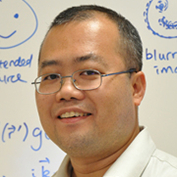
Cheong Siew Ann

Associate Professor

Introduction to Complexity Science
В каталоге вашей программы

Инвестируйте в себя

Новые знания — в удобное для вас время.

Начать на Coursera

Обучение откроется на Coursera
в новой вкладке

Обучение на Coursera

≈ 16.7 ч

5 модулей

Язык: Английский

Субтитры: Арабский, Французский, Украинский, Китайский (Китай), Греческий, Итальянский, Бразильский португальский, Нидерландский, Корейский, Немецкий, Русский, Тайский, Индонезийский, Шведский, Турецкий, Испанский, Хинди, Японский, Казахский, Польский

Часть программы вашего университета
Exploring the World of Complex SystemsDIALOGUE
Scientific Progress of Complexity Science - Professor Peter SlootВидео
Introduction to Complex Systems (Part II) - Professor Stephen LansingВидео
Reference Slides for Videos by Professor Stephen LansingЧтение
Difference between Chaos and Complexity - Professor Peter SlootВидео
Knowledge Check 1Задание
The Behaviour of Scale-free Network - Professor Peter SlootВидео
Introduction to Complex Systems (Part III) - Professor Stephen LansingВидео
Complex Systems in Society: Pandemic & Crime - Professor Peter SlootВидео
Knowledge Check 2Задание

Tutorials

Reference Video for Jupyter Notebook Exercise on Vehicular TrafficPLUGINNagel-Schreckenberg Model of Vehicular TrafficЛабораторнаяGame of LifeЛабораторная
02Robustness, Resilience, Sustainability7 материалов

Reference Slides

Reference Slides for Videos by Professor Stephen LansingЧтение

Video Lectures

Robustness, Resilience and Sustainability (Part I) - Professor Stephen LansingВидеоPrisoner’s Dilemma - Professor Brian ArthurВидеоRobustness, Resilience and Sustainability (Part II) - Professor Stephen LansingВидеоIslands of Order: Introduction of the Bali Subak System Model - Professor Stephen Lansing ВидеоRobustness, Resilience and Sustainability (Part III) - Professor Stephen LansingВидеоDesign and Control of Swarm Dynamics - Professor Design and Control of Swarm DynamicsВидео
03Regime Shifts and Tipping Points11 материалов

Reference Slides

Reference Slides for Videos by Professor Stephen LansingЧтение

Video Lectures

Regime Shifts and Tipping Points (Part I) - Professor Stephen LansingВидеоTipping Point Definition & Criticality - Assoc. Prof. Cheong Siew AnnВидеоRegime Shifts and Tipping Points (Part II) - Professor Stephen LansingВидеоLandau Theory - Assoc. Prof. Cheong Siew AnnВидеоRegime Shifts and Tipping Points (Part III) - Professor Stephen LansingВидеоEarly Warnings - Assoc. Prof. Cheong Siew AnnВидеоRegime Shifts and Tipping Points (Part IV) - Professor Stephen LansingВидеоUniversal Forecasting - Assoc. Prof. Cheong Siew AnnВидеоRegime Shifts and Tipping Points (Part V) - Professor Stephen LansingВидеоQuantitative Forecasting - Assoc. Prof. Cheong Siew AnnВидео
04Introduction to Agent-Based Modeling5 материалов

Reference Slides

Reference Slides for Videos by Professor Stephen LansingЧтение

Video Lectures

What is ABM - Professor Stephen LansingВидеоHow to Validate and Calibrate ABM? - Professor Stephen LansingВидеоABM for Policy Assessment - Professor Stephen LansingВидео

Tutorials

Schelling’s Segregation ModelЛабораторная
05Introduction to Static Complex Network13 материалов

Reference Slides

Reference Slides for Videos by Professor Stephen LansingЧтение

Video Lectures

Introduction to Static Complex Networks (Part I) - Professor Stephen LansingВидеоIntroduction to Complex Networks (Part I) - Professor Michael LeesВидеоIntroduction to Complex Networks (Part II) - Professor Michael LeesВидеоIntroduction to Static Complex Networks (Part II) - Professor Stephen LansingВидеоRandom Networks - Professor Michael LeesВидеоIntroduction to Static Complex Networks (Part III) - Professor Stephen LansingВидеоExamples of Scale-free Networks & BA Model - Professor Michael LeesВидеоIntroduction to Static Complex Networks (Part IV) - Professor Stephen LansingВидеоRobustness of Network - Professor Michael LeesВидеоPractice Session Using Python - Professor Michael LeesВидео

Tutorials

Epidemics on Complex NetworksЛабораторная

Final Assessment

Final AssessmentЗадание