Назад в каталог Курс от Deep Teaching Solutions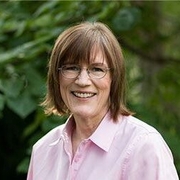
courseraБизнес
Critical Thinking & Logic: Real-World Skills
Курс от Deep Teaching SolutionsО курсе
Enhance your logical reasoning skills with "Critical Thinking & Logic: Real-World Skills." This innovative course, led by professors Barbara Oakley, Adam Trybus and Terrence Sejnowski, offers a deep dive into the practical applications of critical thinking and logic. Explore the intricacies of deductive, inductive, and abductive reasoning, learning how to apply each in various real-world scenarios. Master the art of argument analysis, from recognizing premises and conclusions to standardizing complex arguments for clarity. Through engaging examples, you'll learn to identify rhetorical devices and logical fallacies that can obscure sound reasoning. What sets this course apart is its focus on practical application. You'll tackle real-life examples, from business innovation like the creation of Shazam to everyday problem-solving. The course also delves into the challenges of language and definitions in logical reasoning, helping you navigate the complexities of communication in critical thinking. By the end of the course, you'll have a comprehensive toolkit for analyzing arguments, making informed decisions, and approaching problems creatively. Whether you're in business, academia, or simply looking to sharpen your analytical skills, this course will equip you with advanced logical reasoning tools applicable to a wide range of real-world situations.
Навыки, которые вы освоите
Программа курса
2 модулей · 14 учебных материалов
01The Art of Logical Leaps: Mastering Real-World Reasoning7 материалов
Module 1: The Art of Logical Leaps: Mastering Real-World Reasoning
1: The Art and Science of Argument AutopsyВидео2: "That's Not What I Meant!": Miscommunication and Shifting Word MeaningВидео3: When Facts Don't Matter: The Disturbing Act of GaslightingВидео4: Mission Possible: Extracting Arguments from Rhetorical MayhemВидеоУчитесь у экспертов
Dr. Barbara Oakley
Professor of Engineering
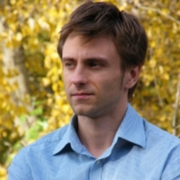
Adam Trybus
Faculty of Philosophy, Jagiellonian University
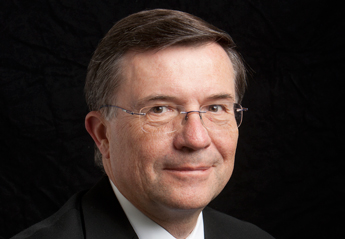
Dr. Terrence Sejnowski
Francis Crick Professor at the Salk Institute for Biological Studies