К содержимому
learnspaceYOUR NEXT CHAPTER
ПРОСТРАНСТВО ОБУЧЕНИЯ
ГлавнаяКаталог курсовМоё обучениеCoursera

Знания без границ

Учитесь у лучших университетов и компаний мира.

Открыть Coursera
Интеграция
Пространство университета
Моё пространствоСтраница курса
↵
ЯЛичный кабинетСтудент
© 2026 LearnSpaceКаждый день — возможность узнать больше.Помощь
Deep Learning for AI Part 2 · LearnSpace
Назад в каталог
courseraАнализ данных

Deep Learning for AI Part 2

Курс от Northeastern University
Средний≈ 19.1 чАнглийский
О курсеНавыкиПрограммаПреподаватели

О курсе

This is Part 2 of a two-part graduate sequence in deep learning. Building on the foundations from Part 1, it focuses on advanced generative modeling. You will study autoregressive models, diffusion models, energy-based models, and normalizing flows; see how these techniques converge in multimodal text-to-image systems such as CLIP, DALL-E 2, Imagen, and Stable Diffusion; and apply generative methods to creative domains such as music generation. The course concludes by synthesizing the full arc—from discriminative foundations to advanced generative AI—and examining the ethical and societal implications of deploying these systems.

Навыки, которые вы освоите

Generative Model ArchitecturesDeep LearningEmbeddingsRecurrent Neural Networks (RNNs)Generative AIModel TrainingResponsible AIAutoencodersMusicMultimodal PromptsMusical CompositionLarge Language Modeling

Программа курса

7 модулей · 74 учебных материалов

01Autoregressive Models15 материалов

Course Introduction

Course IntroductionЧтениеSyllabus - Deep Learning for AI Part 2ЧтениеMeet Your FacultyЧтениеAcademic IntegrityЧтение

Autoregressive Models: The Chain-Rule Principle

Учитесь у экспертов

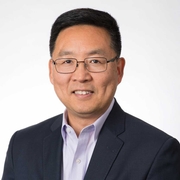
Xuemin Jin

Преподаватель курса

Deep Learning for AI Part 2
В каталоге вашей программы

Инвестируйте в себя

Новые знания — в удобное для вас время.

Начать на Coursera

Обучение откроется на Coursera
в новой вкладке

Обучение на Coursera

≈ 19.1 ч

7 модулей

Язык: Английский

Часть программы вашего университета
The Autoregressive Principle and Chain-Rule FactorizationЧтение
Key Characteristics and ApplicationsЧтение

LSTM-Based Text Generation: Recipes and Temperature Sampling

LSTM Recipe Generator and the Epicurious DatasetЧтениеTemperature Sampling and Generation ExamplesЧтениеAssess Your Learning: The Autoregressive Principle and LSTM Text GenerationЗадание

PixelCNN: Autoregressive Image Generation

Masked Convolution and the PixelCNN ArchitectureЧтениеMask A vs. Mask B and Row-Wise Pixel OrderingЧтениеPixelCNN on Fashion MNIST: Results and AnalysisЧтение

From GPT to ChatGPT: RLHF and Instruction Tuning

From GPT to ChatGPT: The RLHF Training PipelineЧтениеInstruction Tuning and Multi-Turn DialogueЧтениеAssess Your Learning: PixelCNN and GPT to ChatGPTЗадание
02Diffusion Models14 материалов

What Are Diffusion Models?

Diffusion Models: Motivation and AdvantagesЧтениеComparing Diffusion Models to GANs and VAEsЧтение

Forward Diffusion: Markov Chains and Noise Schedules

The Forward Diffusion Process and Gaussian NoiseЧтениеClosed-Form Forward Process and Noise SchedulesЧтениеAssess Your Learning: What Are Diffusion Models and the Forward ProcessЗадание

Reverse Diffusion and DDPM Training

Reverse Diffusion and DDPM TrainingВидеоThe Reverse Diffusion Process and DenoisingЧтениеThe DDPM Training ObjectiveЧтение

U-Net Architecture for Denoising

U-Net Architecture: Sinusoidal Time Embeddings and Residual BlocksЧтениеDownsampling and Upsampling Paths in the U-NetЧтениеAssess Your Learning: Reverse Diffusion and U-Net ArchitectureЗадание

A Diffusion Model Example: Flower Generation

Generating Oxford Flowers with a Diffusion ModelЧтениеSpherical Interpolation and Generated ResultsЧтениеAssess Your Learning: Diffusion Model Flower Generation ExampleЗадание
03Energy-Based Models9 материалов

From Boltzmann Distribution to Energy-Based Models

The Boltzmann Distribution and Maxwell-BoltzmannЧтениеEBM Architecture Diagrams: RBM and DBN StructureЧтение

What Is an Energy-Based Model?

EBM Definition, Advantages, Applications, and Neural Energy FunctionsЧтениеAssess Your Learning: Boltzmann Distribution and Energy-Based ModelsЗадание

Training EBMs: Langevin Dynamics and Contrastive Divergence

Langevin Dynamics and MCMC SamplingЧтениеContrastive Divergence and the Replay BufferЧтение

An EBM Example: Fashion MNIST

An EBM ExampleВидеоEBM Training Results on Fashion MNISTЧтениеAssess Your Learning: Training EBMs and the Fashion MNIST ExampleЗадание
04Normalizing Flow Models12 материалов

Normalizing Flows: The Change-of-Variables Principle

What Are Normalizing Flows? Positioning in the Generative LandscapeЧтениеThe Change-of-Variables Formula and Invertible TransformationsЧтение

Jacobian Determinants and Invertible Transformations

The Jacobian Determinant and Its Role in LikelihoodЧтениеAssess Your Learning: Change of Variables and Jacobian DeterminantsЗадание

Building a Generative Model with Flows

Composing Transformations to Build a Generative ModelЧтениеTraining Objectives and Density EstimationЧтение

RealNVP: Coupling Layers and Alternating Masks

RealNVP Architecture: Affine Coupling LayersЧтениеAlternating Binary Masks and Stacked Coupling LayersЧтениеAssess Your Learning: Building a Generative Flow and RealNVPЗадание

A RealNVP Example and Other Flow Models

RealNVP on Two-Moons and Density Estimation ResultsЧтениеGLOW and FFJORD: Extensions of Normalizing FlowsЧтениеAssess Your Learning: RealNVP Example, GLOW, and FFJORDЗадание
05Multimodal Models10 материалов

What Is Multimodal Generative Learning?

Multimodal AI: Motivation and Real-World ApplicationsЧтениеText-to-Image Generation OverviewЧтение

CLIP: Contrastive Language-Image Pre-Training

DALL-E 2 Architecture Overview and the Role of CLIPЧтениеCLIP: Text and Image EncodersЧтениеContrastive Learning Objective and Pre-Training at ScaleЧтениеAssess Your Learning: Multimodal Learning and CLIPЗадание

DALL-E 2: Prior and Decoder Architecture

CLIP Image Prior: Autoregressive and Diffusion ApproachesЧтениеThe Diffusion Decoder (GLIDE) and DALL-E 2 ApplicationsЧтение

Other Text-to-Image Models: Imagen and Stable Diffusion

Imagen: T5-XXL Language Encoder and Cascaded DiffusionЧтениеStable Diffusion: Latent Diffusion for High-Resolution GenerationЧтение
06Music Generation9 материалов

AI Music Generation: Approaches and Representations

AI Music Generation: Approaches and MotivationЧтение

Transformers for Symbolic Music Modeling

Transformer Architecture for Music: The Two-Stream ApproachЧтениеMIDI and Piano-Roll Representation for Sequence ModelingЧтениеAssess Your Learning: Music Generation Intro and Transformers for MusicЗадание

Generating Monophonic Music: Training and Sampling

Training the Music Transformer: Data, Vocabulary, and ObjectivesЧтениеTemperature Sampling and Attention Heatmap VisualizationЧтение

MuseGAN: Multi-Track Polyphonic Generation

MuseGAN Generator: Temporal Dynamics and Chord ProgressionsЧтениеMuseGAN Critic and Multi-Track Piano-Roll TrainingЧтениеAssess Your Learning: Monophonic Music Generation and MuseGANЗадание
07Conclusion5 материалов

Course Synthesis: From Discriminative to Generative AI

Course Synthesis: From Discriminative to Generative AIЧтение

Responsible AI and Generative Systems

Ethical Implications: Deepfakes, Non-Consensual Generation, and CopyrightЧтениеResponsible AI: Governance, Bias, and Societal ImpactЧтениеCourse ReflectionsВидео

Course Conclusion

Congratulations! Чтение