К содержимому
learnspaceYOUR NEXT CHAPTER
ПРОСТРАНСТВО ОБУЧЕНИЯ
ГлавнаяКаталог курсовМоё обучениеCoursera

Знания без границ

Учитесь у лучших университетов и компаний мира.

Открыть Coursera
Интеграция
Пространство университета
Моё пространствоСтраница курса
↵
ЯЛичный кабинетСтудент
© 2026 LearnSpaceКаждый день — возможность узнать больше.Помощь
Doping : Sports, Organizations and Sciences · LearnSpace
Назад в каталог
courseraОбщество

Doping : Sports, Organizations and Sciences

Курс от University of Lausanne
Уровень не указан≈ 13.9 чАнглийский
О курсеНавыкиПрограммаПреподаватели

О курсе

The objective of this course is to encourage a critical understanding of doping. To achieve this goal, this course will rely on a multidisciplinary approach that allow you to see how different disciplines get into a single object, in different perspectives and in often complementary ways. This approach will also allow us to appreciate the complexity of a subject like doping. Doping in sports is a complex practice whose definition and identification is the result of socially and historically constructed norms. This course offers to shed light on the processes that led to the use and prohibition of doping substances. Performance enhancement or physical transformation are two aspects of doping which are seen as problematic, yet even as we speak companies are making fortunes selling body improvement and other forms of “human enhancement” to us. These apparent contradictions will be analysed to show that beyond sanitary questions, doping raises many social, scientific and legal issues. In efforts to control doping, governments and sports authorities have put into place institutions responsible for defining what falls into the category of doping, but also what prevention, repressions and research methods to put into effect. This course will also explore biological control measures such as the biological passport, key legal dimensions, organisations that produce performance, as well as the sociological dimensions of doping. Besides the Professors of University of Lausanne, the best experts of doping are involved in this course: experts from an Anti-doping Laboratory (LAD- Lausanne-Switzerland), from the CAS (Court of Arbitration for Sport), from the UEFA (soccer), and from the WADA (World Anti-Doping Agency). Teaser: https://www.youtube.com/watch?v=20Q3eR_g7rU Main Learning Outcomes At the end of the course the participants will be able to : 1. Identify the “cultural” dimension of doping, that is as a historical practice linked to the transformation of social norms, 2. Go from a binary way of thinking - for or against doping - to an understanding of the complexity of this phenomenon which is biological, psychological and sociological, all at the same time, 3. Recognize the institutions, the actors and the practices of the fight against doping, 4. Explain how the social and organisational context influences individuals decisions and how this influence can be reduced by effective prevention measures, 5. Identify how the fight against doping is led and how testing is carried out.

Навыки, которые вы освоите

CultureArbitrationSociologyEthical Standards And ConductSocial SciencesLaboratory TestingAnalytical TestingLegal ProceedingsSubstance AbuseLaw, Regulation, and ComplianceCriminal Investigation and Forensics

Программа курса

4 модулей · 56 учебных материалов

01Module 1- What is doping ?18 материалов

Course guidelines

General IntroductionВидеоSyllabusЧтениеDiscussion Forums guidelinesЧтениеMeet and greet forum instructionsЧтение

Учитесь у экспертов

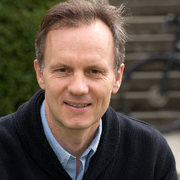
Fabien Ohl

Professor of Sociology of Sports / Professeur en Sociologie du Sport

Doping : Sports, Organizations and Sciences
В каталоге вашей программы

Инвестируйте в себя

Новые знания — в удобное для вас время.

Начать на Coursera

Обучение откроется на Coursera
в новой вкладке

Обучение на Coursera

≈ 13.9 ч

4 модулей

Язык: Английский

Субтитры: Арабский, Французский, Украинский, Китайский (Китай), Греческий, Итальянский, Бразильский португальский, Нидерландский, Корейский, Немецкий, Русский, Тайский, Индонезийский, Шведский, Турецкий, Испанский, Хинди, Японский, Казахский, Польский

Часть программы вашего университета
Facebook group Doping: Sports, Organisation and sciencesЧтение

About us

Teaching staffЧтениеField expertsЧтениеDevelopment teamЧтение

Module 1

Module 1 Learning OutcomesЧтениеIntroduction to Module 1Видео1- Defining dopingВидео2- Substance use ordinary practiceВидео3- The emergence of normsВидео4- Stabilising legal normsВидеоConclusion of module 1ВидеоSuggested discussionЧтениеReferencesЧтениеModule 1 QuizЗадание
02Module 2- Why do athletes give in to doping?13 материалов

Presentation

Module 2 Learning OutcomesЧтениеIntroduction to Module 2Видео1- Why do athletes give in to doping ?Видео2- Becoming a bodybuilder and using prohibited substancesВидео3- Bodybuilder's attitude towards riskВидео4- The socialisation of cyclists and pharmacologiesВидео5- Cyclists' careers and dopingВидео6- The emergence of norms that define doping- Part IВидео7- The emergence of norms that define doping- Part IIВидеоConclusion of Module 2ВидеоSuggested discussionЧтениеReferencesЧтениеModule 2 QuizЗадание
03Module 3 - Organizations and doping: prevention and repression11 материалов

Presentation

Module 3 Learning OutcomesЧтениеIntroduction to Module 3Видео1-The role of the World Anti-Doping AgencyВидео2-The UEFA's doping policiesВидео3- The role of the CASВидео4- Doping prevention policies in cyclingВидеоConclusion of Module 3ВидеоSuggested discussionЧтениеReferencesЧтениеAdditional documents on Wada and anti-doping agenciesЧтениеModule 3 QuizЗадание
04Module 4 - Bioanalytical and forensic approaches to doping14 материалов

Presentation

Module 4 Learning OutcomesЧтениеIntroduction to Module 4Видео1- How accredited laboratories work and how bioanalyses are carried outВидео2- The biological passport and longitudinal approachesВидео3-ADAMS -Web-base database management systemВидео4- The forensic approach to dopingВидео5- Atypical analysis results and the future of the fight against dopingВидеоConclusion of Module 4ВидеоGeneral ConclusionВидеоSuggested discussionЧтениеReferencesЧтениеModule 4 QuizЗадание

Final Assignment

Final Assignment instructionsЧтениеFinal AssignmentЗадание