К содержимому
learnspaceYOUR NEXT CHAPTER
ПРОСТРАНСТВО ОБУЧЕНИЯ
ГлавнаяКаталог курсовМоё обучениеCoursera

Знания без границ

Учитесь у лучших университетов и компаний мира.

Открыть Coursera
Интеграция
Пространство университета
Моё пространствоСтраница курса
↵
ЯЛичный кабинетСтудент
© 2026 LearnSpaceКаждый день — возможность узнать больше.Помощь
Emergent Phenomena in Science and Everyday Life · LearnSpace
Назад в каталог
courseraИнженерия

Emergent Phenomena in Science and Everyday Life

Курс от University of California, Irvine


Уровень не указан≈ 16.4 чАнглийский
О курсеНавыкиПрограммаПреподаватели

О курсе

Before the advent of quantum mechanics in the early 20th century, most scientists believed that it should be possible to predict the behavior of any object in the universe simply by understanding the behavior of its constituent parts. For instance, if one could write down the equations of motion for every atom in a system, it should be possible to solve those equations (with the aid of a sufficiently large computing device) and make accurate predictions about that system’s future. However, there are some systems that defy this notion. Consider a living cell, which consists mostly of carbon, hydrogen, and oxygen along with other trace elements. We can study these components individually without ever imagining how combining them in just the right way can lead to something as complex and wonderful as a living organism! Thus, we can consider life to be an emergent property of what is essentially an accumulation of constituent parts that are somehow organized in a very precise way. This course lets you explore the concept of emergence using examples from materials science, mathematics, biology, physics, and neuroscience to illustrate how ordinary components when brought together can collectively yield unexpected, surprising behaviors. Note: The fractal image (Sierpinkski Triangle) depicted on the course home page was generated by a software application called XaoS 3.4, which is distributed by the Free Software Foundation under a GNU General Public License. Upon completing this course, you will be able to: 1. Explain the difference in assumptions between an emergent versus reductive approach to science. 2. Explain why the reductivist approach is understood by many to be inadequate as a means of describing and predicting complex systems. 3. Describe how the length scale used to examine a phenomenon can contribute to how you analyze and understand it. 4. Explain why the search for general principles that explain emergent phenomena make them an active locus of scientific investigation. 5. Discuss examples of emergent phenomena and explain why they are classified as emergent.

Навыки, которые вы освоите

Materials sciencePhysicsMathematical ModelingApplied MathematicsBiologyScientific MethodsScience and ResearchQuantum computingSystems ThinkingNeurology

Программа курса

6 модулей · 53 учебных материалов

01Welcome - Let's Get Started6 материалов

Getting Oriented

Welcome MessageЧтениеCourse OverviewЧтениеThank you to the Reuben H. Fleet Science Center!Чтение

Introduction to Emergent Phenomena

Video Introduction: Concept of EmergenceВидео

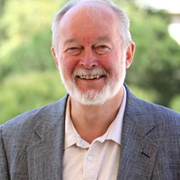
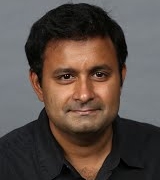
Учитесь у экспертов

Michael Dennin

Professor of Physics and Astronomy; Vice Provost for Teaching and Learning

Jun Allard

Assistant Professor

Donald Saari

UCI Distinguished Professor of Economics and Mathematics

Andrea Nicholas

Lecturer PSOE

Fred Y.M. Wan

Professor

Siddharth A. Parameswaran

Assistant Professor

Emergent Phenomena in Science and Everyday Life
В каталоге вашей программы

Инвестируйте в себя

Новые знания — в удобное для вас время.

Начать на Coursera

Обучение откроется на Coursera
в новой вкладке

Обучение на Coursera

≈ 16.4 ч

6 модулей

Язык: Английский

Субтитры: Арабский, Французский, Украинский, Китайский (Китай), Греческий, Итальянский, Бразильский португальский, Нидерландский, Корейский, Немецкий, Пушту, Русский, Тайский, Индонезийский, Шведский, Турецкий, Испанский, Дари, Хинди, Японский, Казахский, Польский

Часть программы вашего университета
Video Introduction: Reuben H. Fleet Science Center - Part 1Видео
Video Introduction: Reuben H. Fleet Science Center - Part 2Видео
02The Mystery of Foam8 материалов

Module Introduction

Module OverviewЧтениеVideo: Reuben H. Fleet Science Center - Complex FluidsВидео

Examining The Mystery of Foam

Video: The Mystery of FoamВидеоVideo: Foam and SandВидеоVideo: Sand DemonstrationВидеоModule 2 QuizЗаданиеOutrageous OozeВзаимная проверка

Extended Learning

Further Reading: Emergent PhenomenaЧтение
03Chaotic Dynamics11 материалов

Module Introduction

Module OverviewЧтениеVideo: Reuben H. Fleet Science Center - Chaos Part 1ВидеоVideo: Reuben H. Fleet Science Center - Chaos Part 2Видео

Examining Chaotic Dynamics

Video: Introduction to Chaotic DynamicsВидеоVideo: What causes chaotic behavior?ВидеоVideo: The principles of chaotic dynamicsВидеоVideo: Chaotic Dynamics and FractalsВидеоModule 3 QuizЗаданиеFractal AssignmentВзаимная проверка

Extended Learning

Further Reading: Web Resources on Chaotic Dynamics and FractalsЧтениеVideo: Don Saari InterviewВидео
04Pattern Formation and Systems Biology12 материалов

Module Introduction

Module OverviewЧтениеVideo: Reuben H. Fleet Science Center - Pattern Formation Part 1ВидеоVideo: Reuben H. Fleet Science Center - Pattern Formation Part 2ВидеоVideo: Reuben H. Fleet Science Center - Pattern Formation Part 3Видео

Examining Pattern Formation and Systems Biology

Video: Patterns in One DimensionВидеоVideo: TuringВидеоVideo: How Plants GrowВидеоModule 4 QuizЗаданиеBiological Pattern Formation and Reaction-Diffusion InteractionsВзаимная проверка

Extended Learning

Further Reading: Web Resources on Biological Pattern FormationЧтениеVideo: Fred Wan InterviewВидеоVideo: Jun Allard InterviewВидео
05Quantum Coherence, Many-Body States, and Quantum Computing9 материалов

Module Introduction

Module OverviewЧтениеVideo: Reuben H. Fleet Science Center - Quantum MechanicsВидео

Examining Quantum Coherence, Many-Body States, and Quantum Computing

Video: Introduction to EmergenceВидеоVideo: Describing EmergenceВидеоVideo: Fractionalization Part 1ВидеоVideo: Fractionalization Part 2ВидеоModule 5 QuizЗадание

Extended Learning

Further Reading: Reductionism, Entropy, and RandomnessЧтениеVideo: Siddharth Parameswaran InterviewВидео
06Consciousness7 материалов

Module Introduction

Module OverviewЧтениеVideo: Reuben H. Fleet Science Center - ConsciousnessВидео

Examining Consciousness

Video: Fields of ConsciousnessВидеоModule 6 QuizЗаданиеThe Mystery of Consciousness - A Hard Problem?Взаимная проверка

Extended Learning

Further Reading: Web Resources on ConsciousnessЧтениеVideo: Andrea Nicholas InterviewВидео