К содержимому
learnspaceYOUR NEXT CHAPTER
ПРОСТРАНСТВО ОБУЧЕНИЯ
ГлавнаяКаталог курсовМоё обучениеCoursera

Знания без границ

Учитесь у лучших университетов и компаний мира.

Открыть Coursera
Интеграция
Пространство университета
Моё пространствоСтраница курса
↵
ЯЛичный кабинетСтудент
© 2026 LearnSpaceКаждый день — возможность узнать больше.Помощь
EKP2: Formation of Korean Neo-Confucianism · LearnSpace
Назад в каталог
courseraИскусство

EKP2: Formation of Korean Neo-Confucianism

Курс от Sungkyunkwan University
Средний≈ 12.1 чАнглийский
О курсеНавыкиПрограммаПреподаватели

О курсе

In the “Exploration to Korean Philosophy” series, we will delve deeper into the subject matter than what was previously addressed in the courses “Introduction to Korean Philosophy and Culture (IKPC)” and “In Search for the Origins of Korean Philosophy (SOKP).” In EKP2, “Formation of “Korean” Neo-Confucianism,” is a course that zooms in on the era when Korean philosophy blossomed and looks into detailed topics. Here we will look at the debate between Buddhism and Confucianism, the diagrams that Koreans drew to capture the world and explore the inner self of humans, and the philosophy of salvation through the heart, which is the goal of these attempts.

Навыки, которые вы освоите

Cultural DiversityCultureLiberal ArtsDiagram Design

Программа курса

4 модулей · 48 учебных материалов

01Confucian-Buddhist Debate13 материалов

Welcome to Exploration to Korean Philosophy2: Formation of “Korean” Neo-Confucianism

OpeningВидеоCourse introductionЧтениеCourse OverviewВидеоSelf-IntroductionОбсуждение

Lesson1: Transition from Syncretism to Orthodoxy

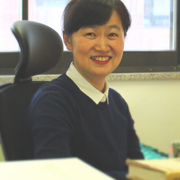
Учитесь у экспертов

SO JEONG PARK

Professor

EKP2: Formation of Korean Neo-Confucianism
В каталоге вашей программы

Инвестируйте в себя

Новые знания — в удобное для вас время.

Начать на Coursera

Обучение откроется на Coursera
в новой вкладке

Обучение на Coursera

≈ 12.1 ч

4 модулей

Язык: Английский

Часть программы вашего университета
Koreans Like to Argue?!Видео
Confucianism’s Self-justification against Daoism and BuddhismВидео

Lesson2: Sambong's Critique of Buddhism

Sambong’s First Criticism: Simmun Cheondap 心問天答 “The Mind Asks, Heaven Answers”ВидеоSambong’s Second Criticism: Sim-Gi-Li-pyeon 心氣理篇 “On the Mind, Material Force, and Principle”Видео

Lesson3: Confucian-Buddhist Debates

Reconstructed Debate between Confucian and Buddhist IntellectualsВидеоAfter the Confucian-Buddhist DebateВидео[+] Debating and Social Harmony in Modern KoreaВидеоReading materials for week 1ЧтениеWhat have you learnt this week?Задание
02Thinking and Debating through Diagrams8 материалов

Lesson1: The Birth of Diagrams in Neo-Confucianism

Introduction to Diagrams of Neo-Confucian CosmologyВидеоThe Cosmo-Numerological Diagrams in Song ChinaВидео

Lesson2: Korean Philosophical Diagram: Doseol

Diagrams of Human Existence and Life in Joseon KoreaВидео[+] Becoming a Sage through Diagrams?Видео

Lesson3: Early Doseol, from Teaching to Philosophizing

Inheritance of the First Generation of Domestication of Neo-ConfucianismВидеоDiscussion for week 2ОбсуждениеReading materials for week 2ЧтениеWhat have you learnt this week?Задание
03Exploring the Heart-Mind through Heavenly Mandate 14 материалов

Lesson1: From Heaven and Humans into Heart-Mind and Nature

The Heart-mind is the Gateway to HeavenВидеоFrom Heaven and Humans, Cheon-In 天人, into Heart-Mind and Nature, Sim-Seong 心性Видео[+] Drawing Your Own Diagram: Morality and HeavenВидео

Lesson2: Reaching Heaven through the Heart-mind, Maum

Maum 마음, Simseong 心性 or Seongjeong 性情?ВидеоMaum 마음 & Haneul 하늘, Reaching Heaven through the Heart-mindВидео[+] Maum: What Connects Heaven and HumansВидео

Lesson3: Cheonmyeong-do as the Beginning of a Long-Sustained Debate

Debating over Diagrams of Heavenly MandateВидео[+] Historical Background of the Concept of Heavenly Mandate in the 16th Century of JoseonВидеоThe Basic Composition of Cheonmyeong-do that Toegye Defended on Behalf of ChumanВидео[+] Looking at the Meaning of "Myeong" in Cheongmyeong Видео[+] The Meaning of Heavenly Mandate: the Active Exchange between Heaven and HumanВидеоDiscussion for week 3Обсуждение
04Heavenly Mandate to Four-Seven Debate13 материалов

Lesson1: Four-Seven: Moral Emotions and Everyday Feelings

Cheonmyeong to the Innate PotentialВидеоInto the Inner Universe: Heart-Mind and Nature, Sim-Seong 心性Видео[+] Do We have Only “Four” Moral Emotions?Видео

Lesson2: Four Beginnings and Seven Feelings through Li-Qi Metaphysical Framework

Metaphysical Interpretation of Human ConditionsВидео[+] Korean Neo-Confucianism = Korean philosophy? Exploring Diverse Themes in Korean PhilosophyВидеоThe Four-Seven Debate: At the Crossroads of Good and EvilВидеоLibal and Seven Feelings Underlined in Korean Neo-ConfucianismВидеоReading materials for week 4ЧтениеWhat have you learnt this week?Задание

Congratulations on completing your final step into Korean Philosophy Essentials!

ClosingВидеоCongratulations on completing your final step into Korean Philosophy Essentials!ОбсуждениеSummarize the most interesting topic and share your essay with peers!Взаимная проверка[Final Test] What have you learnt in this course?Задание
Reading materials for week 3Чтение
What have you learnt this week?Задание