К содержимому
learnspaceYOUR NEXT CHAPTER
ПРОСТРАНСТВО ОБУЧЕНИЯ
ГлавнаяКаталог курсовМоё обучениеCoursera

Знания без границ

Учитесь у лучших университетов и компаний мира.

Открыть Coursera
Интеграция
Пространство университета
Моё пространствоСтраница курса
↵
ЯЛичный кабинетСтудент
© 2026 LearnSpaceКаждый день — возможность узнать больше.Помощь
Indigenous Religions & Ecology · LearnSpace
Назад в каталог
courseraИскусство

Indigenous Religions & Ecology

Курс от Yale University
Начальный≈ 24.1 чАнглийский
О курсеНавыкиПрограммаПреподаватели

О курсе

At first glance the fields of religion and ecology may seem and unlikely pairing, but a deeper consideration reveals the two have a great deal to contribute to one another and are indeed inextricably linked. Religions recognize the unity and interdependence of humans with nature. Ecological sciences affirm this deep interconnection with the natural world. This partnership can inspire work for the wellbeing of the Earth community There is a need for broader literacy and deeper knowledge of the world’s religions and their ecological contributions. This specialization, "Religions and Ecology: Restoring the Earth Community", contributes such a perspective. Each course celebrates the vitality of religiously-informed action for the Earth and recognizes the longstanding contributions of Indigenous peoples in offering visions and practices for ecological flourishing. This is course 2 of 5 in the "Religions and Ecology: Restoring the Earth Community" specialization that focuses on the ecological dimensions of religious traditions throughout the world. The course is designed as a gateway to the significant contributions of Indigenous peoples of Africa, Asia, the Americas, and Pacific Regions for environmental understanding. The diversity of Indigenous communities around the planet makes selective coverage necessary, but shared patterns of resilience manifest themselves worldwide. So much has emerged in the last several decades in understanding traditional environmental knowledge, as you will see. This course is for lifelong learners curious to know more about world religions and ecology, environmental professionals eager to deepen the discourse of environmental protection and conservation, those working with non-profit organizations and NGOs on issues of ecological justice, and religion leaders and laity who wish to know how they can contribute to interreligious dialogue on environmental projects.

Навыки, которые вы освоите

Cultural DiversityEnvironmentAdvocacyClimate Change AdaptationSustainable DevelopmentLand ManagementCultural ResponsivenessSocial JusticeEnvironmental LawsCultureSocial StudiesEnvironmental Resource ManagementWorld HistoryNatural Resource ManagementEnvironmental ScienceEnvironment and Resource ManagementEconomics, Policy, and Social Studies

Программа курса

10 модулей · 231 учебных материалов

01MODULE 1: Course Introduction13 материалов

Overview of the Course: Indigenous Religions and Ecology

Course Rationale ЧтениеLand Acknowledgement - John Grim and Mary Evelyn Tucker ВидеоCourse Overview: Indigenous Religions and Ecology - John Grim and Mary Evelyn Tucker ВидеоHow this course is organizedЧтение

Учитесь у экспертов

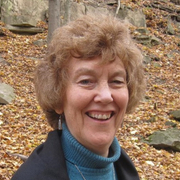
Mary Evelyn Tucker

Senior Lecturer and Senior Research Scholar

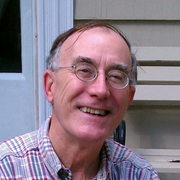
John Grim

Senior Lecturer and Senior Research Scholar

Indigenous Religions & Ecology
В каталоге вашей программы

Инвестируйте в себя

Новые знания — в удобное для вас время.

Начать на Coursera

Обучение откроется на Coursera
в новой вкладке

Обучение на Coursera

≈ 24.1 ч

10 модулей

Язык: Английский

Субтитры: Арабский, Французский, Украинский, Китайский (Китай), Греческий, Итальянский, Бразильский португальский, Нидерландский, Корейский, Немецкий, Русский, Тайский, Индонезийский, Шведский, Турецкий, Испанский, Хинди, Японский, Казахский, Польский

Часть программы вашего университета
DisclaimerЧтение

Get to know your Instructors and the Environmental Context

Personal Introduction - Mary Evelyn TuckerВидеоPersonal Introduction - John GrimВидео Learn more about your InstructorsЧтение(Optional) Religion and Ecology Conferences and Book Series, 1996-1998ЧтениеPre-video introduction: The Promise of Planetary Health ЧтениеThe Promise of Planetary HealthPLUGIN(Optional) Ways to Learn MoreЧтениеModule 1: Course IntroductionОбсуждение
02MODULE 2: Introduction to the Study of Indigenous Religions and Ecology18 материалов

2.1 - Overview of the Study of Indigenous Religions and Ecology

Pre-video introduction: “Indigenization”ЧтениеJeannette Armstrong, “Indigenization” PLUGINLecture - Overview of the Study of Indigenous Religions and Ecology - John Grim ВидеоPre-video introduction: “The Honorable Harvest”ЧтениеRobin Wall Kimmerer, “The Honorable Harvest”PLUGIN(Optional) Ways to Learn MoreЧтение

2.2 - Terms and Topics in the Study of Indigenous Religions and Ecology

Lecture - Terms and Topics in the Study of Indigenous Religions and Ecology - John GrimВидеоPre-video introduction: “Rights and Responsibilities”ЧтениеOren Lyons, “Rights and Responsibilities”PLUGIN(Optional) Ways to Learn MoreЧтение

2.3 - Indigenous Peoples in a Contemporary Global Context

UN Declaration of the Rights of Indigenous Peoples (UNDRIP)Чтение Pre-video introduction: “Indigenous Identity, Indigenous Rights, and Forest Protection” ЧтениеVictoria Tauli-Corpuz, “Indigenous Identity, Indigenous Rights, and Forest Protection”ВидеоThe Indigenous WorldЧтение Interfaith Rainforest Initiative Чтение (Optional) Ways to Learn MoreЧтение
03MODULE 3: From Decolonization to Restoration in Indigenous Communities17 материалов

From Decolonization to Restoration in Indigenous Communities

Pre-video introduction: “On Decolonizing Methodologies”ЧтениеLinda Tuhiwai Smith, “On Decolonizing Methodologies”PLUGINLecture - From Decolonizing to Restoration: Terms and Topics - John GrimВидеоLecture - From Decolonizing to Restoration: Cosmovision, Spiritual Ecology, and Cosmopolitics - John GrimВидеоPre-video introduction: “Global Indigenous Sovereignty and Environmental Governance”ЧтениеVictoria Tauli-Corpuz, "Global Indigenous Sovereignty and Environmental Governance." Interview by John GrimВидеоLecture - Lifeway and Symbolic Consciousness - John Grim ВидеоLecture - Self-Determination and Sovereignty- John GrimВидеоLecture - Indigenous Ways of Knowing - John GrimВидеоPre-video introduction: “Brazil’s Indigenous Land is Being Invaded” ЧтениеBrazil’s Indigenous Land is Being InvadedPLUGINDecolonizing Conquest Consciousness ЧтениеPre-video introduction: “Lakota Consciousness and Ecological Relationships” ЧтениеTiokasin Ghosthorse, "Lakota Consciousness and Ecological Relationships." Interview by John GrimВидео(Optional) Ways to Learn MoreЧтениеModule 3: From Decolonization to Restoration in Indigenous CommunitiesОбсуждениеModule 3: From Decolonization to Restoration in Indigenous CommunitiesЗадание
04MODULE 4: Native North Americans 25 материалов

4.1 - Colonial Encounters to Contemporary Resurgence

Pre-video introduction: “Hopi Messenger: Thomas Banyacya”ЧтениеHopi Messenger: Thomas BanyacyaPLUGINLecture - Indigenous Religions and Ecology: From Encounter to Contemporary Activism - John GrimВидеоNorth America: Native ecologies and cosmovisions renew treaties with the Earth and fuel Indigenous movements ЧтениеPre-video introduction: “Indigenous Cosmovisions and Foodways in North America”ЧтениеMelissa Nelson, "Indigenous Cosmovisions and Foodways in North America." Interview by John Grim. Видео(Optional) Ways to Learn MoreЧтение

4.2 - Ritual Revival and Community Renewal

Pre-video introduction: “Thomas Yellowtail, Crown Sun Dance Chief”ЧтениеThomas Yellowtail, Crow Sun Dance Chief PLUGINPre-video introduction: “Okanagan Lifeways and Indigenous Environmental Activism”ЧтениеJeannette Armstrong, "Okanagan Lifeways and Indigenous Environmental Activism." Interview by John GrimВидеоIndigenous Traditions and the Nurturing Power of NatureЧтение(Optional) Ways to Learn MoreЧтение

4.3 - Ecosystem Restoration

Pre-video introduction: “River of Kings, Part 1: Restoration”ЧтениеPre-video introduction: “Why lakes and rivers should have the same rights as humans” Чтение Kelsey Leonard, "Why lakes and rivers should have the same rights as humans"PLUGIN(Optional) Ways to Learn MoreЧтение

4.4 - Challenges for Arctic Indigenous Peoples

Pre-video introduction: “Human Trauma and Climate Trauma”ЧтениеSheila Watt Cloutier, “Human Trauma and Climate Trauma” PLUGINPre-video introduction: “Gwichi’in Voices for the Arctic Refuge” ЧтениеGwichi’in Voices for the Arctic Refuge PLUGINOntology on the ice: Inuit traditions, ecology, and the problem of categoriesЧтение (Optional) Ways to Learn MoreЧтение
05MODULE 5: Native Peoples in Meso-America and South America29 материалов

5.1 - Resilience among Meso-American Indigenous Peoples

Pre-video introduction: “Mayan Elder Paula López Domingo Speaks”ЧтениеMayan Elder Paula López Domingo SpeaksPLUGINPre-video introduction: “Mayan Ecological Practices and Cosmovisions in Mesoamerica” ЧтениеMiguel Astor-Aguilera, "Mayan Ecological Practices and Cosmovisions in Mesoamerica." Interview by John GrimВидео(Optional) Latin America: Indigenous CosmovisionЧтениеPre-video introduction: “Preventing Environmental & Human Abuses in Oaxaca, Mexico”ЧтениеPreventing Environmental & Human Rights Abuses in Oaxaca, MexicoPLUGINReligion, Ritual, and Agriculture among the Present-Day Nahua of Mesoamerica ЧтениеWorking with Indigenous Peoples to Protect Forests in Panama PLUGIN(Optional) Ways to Learn More Чтение

5.2 - Cosmovision and Cosmopolitics among South American Indigenous Peoples

Pre-video introduction: “The Xapiri look after everything” ЧтениеDavi Kopenawa, “The Xapiri look after everything”PLUGINPre-video introduction: “Brazilian Indigenous Leader Davi Kopenawa”ЧтениеBrazilian Indigenous Leader Davi KopenawaPLUGINPre-video introduction: “The Amazon belongs to humanity -- let’s protect it together” 1minЧтениеTashka and Laura Yawanawá, “The Amazon belongs to humanity -- let’s protect it together”PLUGIN

5.3 - Indigenous Leadership in the Framing of Earth Law

Pre-video introduction: Trailer for “The Rights of Nature: A Global Movement”ЧтениеTrailer for "The Rights of Nature: A Global Movement"PLUGINUniversal Declaration of Rights of Mother Earth - The Rights of NatureЧтениеPre-video introduction: “The Rights of Nature: A Global Movement”ЧтениеThe Rights of Nature: A Global MovementPLUGINPre-video introduction: “Pay it Forward” Чтение
06MODULE 6: Native Peoples of Africa27 материалов

6.1 - Wangari Maathai and the Green Belt Movement

Pre-video introduction: “Taking Root: The Vision of Wangari Maathai”ЧтениеPre-video introduction: “As Revealed to You” and “Recapturing Values for the Community of the Living”ЧтениеWangari Maathai, “‘As Revealed to You’: Environments that Shape Our Stories”ВидеоWangari Maathai, “Recapturing Values for the Community of the Living”Видео(Optional) Ways to Learn MoreЧтение

6.2 - African Spirituality and Ecological Stewardship

Pre-video introduction: “Rethinking the Study of African Indigenous Religion in the 21st Century”ЧтениеJacob Olupona, “Rethinking the Study of African Indigenous Religion in the 21st Century”PLUGINPre-video introduction: “Yoruba Cosmology and Environmental Knowledge in Africa”ЧтениеJacob Kehinde Olupona, “Yoruba Cosmology and Environmental Knowledge in Africa.” Interview by John GrimВидеоCommunicating African Spirituality through Ecology: Challenges and Prospects for the 21st Century ЧтениеPre-video introduction: “African Ecological Identity and Religious Environmentalism”ЧтениеJessie N. K. Mugambi, "African Ecological Identity and Religious Environmentalism." Interview by John GrimВидео(Optional) Jessie N. K. Mugambi, “African Heritage and Ecological Stewardship”Чтение(Optional) Ways to Learn MoreЧтение

6.3 - Activism in Forest Conservation

“It’s our home”: Pygmies fight for recognition as forest protectorsЧтениеPygmy Peoples of the DRC: A Rising MovementPLUGINPre-video introduction: “The Man Who Stopped the Desert”ЧтениеThe Man Who Stopped the DesertPLUGINThe traditions that could save a nation’s forests Чтение(Optional) Ways to Learn MoreЧтение

6.4 - Science and Traditional Knowledge Responding to Climate Emergency

African Religion, Climate Change, and Knowledge SystemsЧтениеPre-video introduction: "Indigenous knowledge meets science to take on climate change"ЧтениеHindou Oumarou Ibrahim, “Indigenous knowledge meets science to take on climate change” PLUGINHindou Oumarou Ibrahim, “Women's Leadership in Chad” Чтение(Optional) Ways to Learn MoreЧтениеModule 6: Native Peoples of AfricaОбсуждение
07MODULE 7: Indigenous Peoples in Asia 31 материалов

7.1 - Resistance among Himalayan Indigenous Peoples

Pre-video introduction: “Lepcha Identity and Environmentalism in the Eastern Himalayas”ЧтениеCharisma K. Lepcha, “Lepcha Identity and Environmentalism in the Eastern Himalayas.” Interview by John GrimВидеоAn Indigenous Cosmovisionary Turn in the Study of Religion and EcologyЧтениеPre-video introduction: “Indigenous Peoples and Ecological Knowledge in the Himalayas” ЧтениеDan Smyer Yu, "Indigenous Peoples and Ecological Knowledge in the Himalayas." Interview by John Grim Видео(Optional) Ways to Learn MoreЧтение

7.2 - Environmental Struggles for South Asian Indigenous Peoples (Adivasis in India)

Pre-video introduction: “Indigenous peoples India”ЧтениеIndigenous peoples India – standing for the right to legally own and manage the forests sustainably PLUGINThe Adivasi Struggle Against Environmental Injustice Чтение Pre-video introduction: “Conservation threatens India’s Baiga tribe”ЧтениеConservation threatens India’s Baiga tribePLUGIN(Optional) Ways to Learn MoreЧтение

7.3 - Forest Conservation among Southwest Chinese and Southeast Asian Indigenous Peoples

Pre-video introduction: “Problematizing Ideas of ‘Purity’ and ‘Timelessness’ in the Conservation Narratives of Sacred Groves”ЧтениеGuest Lecture - Problematizing Ideas of “Purity” and “Timelessness” in the Conservation Narratives of Sacred Groves - Lily ZengВидеоPre-video introduction: “Cambodia: Fight for Areng Valley”ЧтениеCambodia: Fight for Areng ValleyPLUGINIndigenous World 2019: Philippines ЧтениеPre-video introduction: “Indigenous climate change solutions in Indonesia”Чтение

7.4 - Central Asian Indigenous Peoples and the Struggle for Identity

Pre-video introduction: “Looking Up”ЧтениеLooking UpВидеоPre-video introduction: “The Shamans of Tuva”ЧтениеThe Shamans of TuvaPLUGIN (Optional) Pre-video introduction: “Altai Pilgrim - Standing on Sacred Ground”Чтение(Optional) Altai Pilgrim - Standing on Sacred GroundPLUGIN
08MODULE 8: First Nations in Australia33 материалов

8.1 - Aboriginal Worldviews

Pre-video introduction: “The myth of Aboriginal stories being myths”ЧтениеJacinta Koolmatrie, “The myth of Aboriginal stories being myths”PLUGINPre-video Introduction: “The Land Owns Us”ЧтениеBob Randall, “The Land Owns Us”PLUGINPre-video introduction: “Every Living Thing is Family”ЧтениеEvery Living Thing is FamilyPLUGINSome Thoughts about the Philosophical Underpinnings of Aboriginal WorldviewsЧтение (Optional) Ways to Learn MoreЧтение

8.2 - Torres Strait Islanders and Recovery of Identity

Pre-video introduction: Trailer for “Ailan Kastom” ЧтениеTrailer for Ailan KastomPLUGIN(Optional) Pre-video introduction: “Ailan Kastom (Island Custom) - Torres Strait Documentary”Чтение(Optional) “Ailan Kastom (Island Custom) - Torres Strait Documentary”PLUGINTorres Strait Regional AuthorityЧтение The Mayor Fighting to Save Her Island Home from Climate ChangeЧтение

8.3 - Storytelling, Music, and Arts

Pre-video introduction: “Songlines: Aboriginal Art and Storytelling”ЧтениеColin Jones, “Songlines: Aboriginal Art and Storytelling”PLUGINPre-video introduction: “Sharing a story through Aboriginal Australian Songline”ЧтениеElwyn Henaway, “Sharing a story through Aboriginal Australian Songline”PLUGIN(Optional) Pre-video introduction: “Gujingga Songline”Чтение(Optional) Yidumduma Bill Harney, “Gujingga Songline”PLUGIN

8.4 - Indigenous Knowledge and Kinship with Water and Fire

Pre-video introduction: “Aboriginal Water Initiative”ЧтениеAboriginal Water InitiativePLUGINPre-video introduction: “Three things I know about fire management”ЧтениеThree things I know about fire managementPLUGIN(Optional) Ways to Learn MoreЧтениеModule 8: First Nations in AustraliaОбсуждение
09MODULE 9: Indigenous Peoples of the Pacific36 материалов

9.1 - Māori Cosmovisions and Cosmopolitics

Pre-video introduction: “Maori values - Manaaki”ЧтениеMāori values - ManaakiPLUGINIn search of harmony: Indigenous traditions of the Pacific and ecology ЧтениеPre-video introduction: “The Rights of Nature: A Global Movement”ЧтениеThe Rights of Nature: A Global MovementPLUGINNew Zealand river first in the world to be given legal human statusЧтение Pre-video introduction: “Māori Knowledge and Indigenous Landscapes in New Zealand” 1minЧтениеKrushil Watene, “Māori Knowledge and Indigenous Landscapes in New Zealand.” Interview by John GrimВидео(Optional) Pre-video introduction: “Kaitiakitanga”Чтение(Optional) Eco Maori, “Kaitiakitanga”PLUGIN Pre-video introduction: “The Power of Water”ЧтениеThe Power of Water; Interview with Maori leaderPLUGIN(Optional) Ways to Learn MoreЧтение

9.2 - Hawai’ian Transoceanic Voyages and Cultural Revival

Pre-video introduction: “History of Hokulea”ЧтениеHistory of HokuleaPLUGIN Pre-video introduction: “Mau Piailug”ЧтениеMau Piailug: Remembering Hokulea’s first navigator PLUGINHokulea: How to navigate without instrumentsPLUGIN(Optional) Pre-video introduction: “Hōkūleʻa Worldwide Voyage Recap” and “Hokulea Homecoming”Чтение
10MODULE 10: Course Conclusion2 материалов
Course Conclusion: Indigenous Religions and Ecology - John Grim and Mary Evelyn TuckerВидеоConcluding ThoughtsЧтение
Module 2: Introduction to the Study of Indigenous Religions and EcologyОбсуждение
Module 2: Introduction to the Study of Indigenous Religions and EcologyЗадание
Module 4: Native North AmericansОбсуждение
Module 4: Native North AmericansЗадание
Pre-video introduction: “South American Shamanism and Indigenous Cosmopolitics”Чтение
Ana Mariella Bacigalupo, “South American Shamanism and Indigenous Cosmopolitics.” Interview by John GrimВидео
(Optional) Ways to Learn MoreЧтение
Xiye Bastida, “Pay it Forward - Envisioning Next Steps with Our Leaders of Tomorrow.” Start at 2 minute mark PLUGIN
(Optional) Ways to Learn MoreЧтение
Module 5: Native Peoples in Meso-America and South AmericaОбсуждение
Module 5: Native Peoples in Meso-America and South AmericaЗадание
Module 6: Native Peoples of AfricaЗадание
Indigenous climate change solutions in IndonesiaPLUGIN
(Optional) Pre-video introduction: “Tradition and landscape management in West Timor”Чтение
(Optional) Ways to Learn MoreЧтение
Ancient Faith, Modern Market: Siberian Shamanism Takes on the 21st CenturyЧтение
(Optional) Ways to Learn MoreЧтение
Module 7: Indigenous Peoples in AsiaОбсуждение
Module 7: Indigenous Peoples in AsiaЗадание
(Optional) Ways to Learn MoreЧтение
Pre-video introduction: “Aboriginal Art and Music”Чтение
Aboriginal Art and MusicPLUGIN
 Pre-video introduction: “Australian Indigenous Peoples and Cosmopolitics” 1minЧтение
Kerry Arabena, "Australian Indigenous Peoples and Cosmopolitics." Interview by John GrimВидео
(Optional) Ways to Learn MoreЧтение
Module 8: First Nations in AustraliaЗадание
Hōkūleʻa Worldwide Voyage RecapPLUGIN
(Optional) Hokulea HomecomingPLUGIN
Pre-video introduction: “Long Story Short with Leslie Wilcox: Nainoa Thompson”Чтение
Long Story Short with Leslie Wilcox: Nainoa ThompsonPLUGIN
The Story of Hōkūle’aЧтение
Pre-video introduction: “Standing on Sacred Ground - Islands of Sanctuary”Чтение
Standing on Sacred Ground – Islands of SanctuaryPLUGIN
(Optional) Kaho’olawe Documentary - "Mai Ka Piko Mai a Ho’i: Return to Kanaloa"PLUGIN
Returning to the Roots of Community Resilience in Hawai’iЧтение
Pre-video introduction: “Like a Mighty Wave: A Maunakea Film” Чтение
Like a Mighty Wave: A Maunakea FilmPLUGIN
(Optional) “A New Hawaiian Renaissance”: how a telescope protest became a movementЧтение
Pre-video introduction: “Kū Ha’aheo E Ku’u Hawai’i”Чтение
Kū Ha’aheo E Ku’u Hawai’iPLUGIN
(Optional) Ways to Learn MoreЧтение
Module 9: Indigenous Peoples of the PacificОбсуждение
Module 9: Indigenous Peoples of the PacificЗадание