К содержимому
learnspaceYOUR NEXT CHAPTER
ПРОСТРАНСТВО ОБУЧЕНИЯ
ГлавнаяКаталог курсовМоё обучениеCoursera

Знания без границ

Учитесь у лучших университетов и компаний мира.

Открыть Coursera
Интеграция
Пространство университета
Моё пространствоСтраница курса
↵
ЯЛичный кабинетСтудент
© 2026 LearnSpaceКаждый день — возможность узнать больше.Помощь
Inequality and Democracy · LearnSpace
Назад в каталог
courseraИскусство

Inequality and Democracy

Курс от Utrecht University
Начальный≈ 20.9 чАнглийский
О курсеНавыкиПрограммаПреподаватели

О курсе

Most countries are getting more and more unequal. But the core of democracy is political equality: that everyone should have an equal say in how their country is run. Can we really expect these things to go together? Can people have equal political power while economic inequality grows and grows? Take this course and decide for yourself. You’ll learn about: • The rise of economic inequality • Property rights and the corporation • Democracy: Its value and history • Campaign finance and lobbying • Tax avoidance and capital flight • Alternatives to our economic system This is an interdisciplinary course combining: • Politics • Philosophy • Economics • History • Law Our course is for anyone looking for an accessible introduction to these topics. You might a concerned citizen, or someone who works in a field like politics, media, education, government or law. The difficulty level is similar to the first-year of an undergraduate degree. No prior knowledge is assumed.

Навыки, которые вы освоите

LobbyingSocial JusticePolitical SciencesEconomics, Policy, and Social StudiesCivil LawSocial SciencesInternational FinanceTax LawsPublic AffairsPolicy AnalysisPublic PoliciesEconomicsGovernanceSocioeconomicsLiberal Arts

Программа курса

6 модулей · 101 учебных материалов

01Economic inequality16 материалов

1.0 Course introduction

1.0.1 Welcome to the courseВидео1.0.2 About the courseЧтение1.03 Short surveyЧтение

1.1 Patterns of inequality

1.1.1 In this weekЧтение

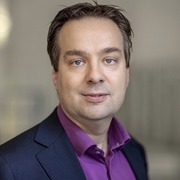
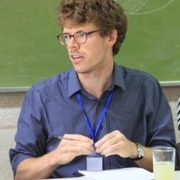
Учитесь у экспертов

Yara Salman

MSc

Rutger Claassen

Prof. Dr.

Michael Bennett

Dr.

Inequality and Democracy
В каталоге вашей программы

Инвестируйте в себя

Новые знания — в удобное для вас время.

Начать на Coursera

Обучение откроется на Coursera
в новой вкладке

Обучение на Coursera

≈ 20.9 ч

6 модулей

Язык: Английский

Субтитры: Арабский, Французский, Украинский, Китайский (Китай), Греческий, Итальянский, Бразильский португальский, Вьетнамский, Нидерландский, Корейский, Немецкий, Пушту, Русский, Тайский, Индонезийский, Шведский, Турецкий, Испанский, Дари, Хинди, Японский, Казахский, Польский

Часть программы вашего университета
1.1.2 Economic inequality around the worldВидео
1.1.3 What about you?Задание

1.2 Causes of inequality

1.2.1 Causes of inequalityВидео1.2.2 Case study: The rise of bosses pay in the USAЧтение1.2.3 Causes of inequalityЗадание

1.3 Inequality and justice

1.3.1 When is inequality (un)just?Видео1.3.2 The fairness of inequality: a philosophical debateЧтение1.3.3 Theories of justice: What do you know?Задание

1.4 Inequality and democracy

1.4.1 Inequality and Democracy: The road aheadВидео1.4.2 Democracy at stakeЗадание1.4.3 Discussion prompt: Economic inequality and democracyОбсуждение

1.5 Want to know more?

1.5.1 Want more?Чтение
02Property and corporations17 материалов

2.1 Private property

2.1.1 Property and corporationsЧтение2.1.2 Private property as a legal constructВидео2.1.3 Private property – what it is(n’t)Задание2.1.4 The History of propertyЗадание

2.2 The business corporation

2.2.1 The business corporation as a legal constructВидео2.2.2 The purpose of corporations: a historical taleЧтение2.2.3 Do you know the business corporation?Задание2.2.4 Friedman on the purpose of businessЧтение2.2.5 Friedman right or wrong?Обсуждение

2.3 The efficiency of property and corporations

2.3.1 The superior efficiency of private propertyВидео2.3.2 The corporation – efficiency and powerЧтение2.3.3 It’s all about efficiency!Задание

2.4 Property, corporations and political power

2.4.1 Economic power and political powerВидео2.4.2 Cycles of economic and political powerЧтение2.4.3 Some questions about powerЗадание

2.5 Conclusion

2.5.1 Assessing corporate powerВзаимная проверка2.5.2 Want more?Чтение
03Democracy17 материалов

3.1 Introducing democracy

3.1.1 In this moduleЧтение3.1.2 Defining democracyВидео3.1.3 Basic ideas in democratic theoryЗадание3.1.4 Characteristics of real democraciesЧтение

3.2 Reasons for democracy

3.2.1 Democracy for the common goodВидео3.2.2 Plato against democracyЧтение3.2.3 Plato and youОбсуждение3.2.4 Democracy for intrinsic reasonsЧтение

3.3 Power and wealth in history

3.3.1 Property and power in historyВидео3.3.2 Historical fixesЗадание3.3.3 Their money or their rightsЧтение

3.4 Democracy and inequality today

3.4.1 Political inequality todayВидео3.4.2 Economic elite dominationЧтение3.4.3 Why unequal turn-out mattersЧтение3.4.4 Political inequality in the UK and USЗадание

3.5 Conclusion

3.5.1 Why should the public have influence?Взаимная проверка3.5.2 Want more?Чтение
04Lobbying and campaign finance16 материалов

4.1 Introducing lobbying and campaign financing

4.1.1 In this moduleЧтение4.1.2 An intro to campaigning and lobbyingВидео4.1.3 Lobbying and campaign finance around the worldЧтение4.1.4 What do you know about campaigning and lobbying?Задание

4.2 The size of lobbing and campaign financing

4.2.1 The dominance of the richВидео4.2.2 Does campaign spending work?Чтение4.2.3 Can you tell?Задание

4.3 The arguments for and against campaign financing

4.3.1 What are the arguments in favour?Видео4.3.2 Corruption and political inequalityЧтение4.3.3 Lobbying and campaign finance: pro and conЗадание4.3.4 What to think about voters’ capacities?Обсуждение

4.4 Regulation

4.4.1 Regulating campaign financeВидео4.4.2 Regulations where you liveЗадание4.4.3 Experiments with public fundingЧтение

4.5 Conclusion

4.5.1 Lobbying: right or wrong?Взаимная проверка4.5.2 Reading: want more?Чтение
05Capital flight and tax avoidance15 материалов

5.1 Introducing capital flight & tax avoidance

5.1.1 In this moduleЧтение5.1.2 Types of capital flightВидео5.1.3 Case studiesЧтение5.1.4 Classifying capital flightЗадание

5.2 Capital flight, inequality and democracy

5.2.1 The race to the bottomВидео5.2.2 The impact of capital flightЧтение5.2.3 Consequences of capital flightЗадание

5.3 Dealing with tax avoidance

5.3.1 Exposing secrets, closing loopholesВидео5.3.2 Getting rid of tax havensЧтение5.3.3 The financial secrecy indexЗадание

5.4 Responding to real capital flight

5.4.1 The capital flight trilemmaВидео5.4.2 Responding to real capital flightЗадание5.4.3 Sovereignty, democracy, or globalization?Обсуждение

5.5 Conclusion

5.5.1 Capital flight: apply your knowledgeВзаимная проверка5.5.2 Want more?Чтение
06Alternative economic institutions20 материалов

6.1 Theories of property-owning democracy

6.1.1 In this moduleЧтение6.1.2 Property-owning democracyВидео6.1.3 Thomas Paine’s agrarian justiceЧтение6.1.4 Community wealth fundsЧтение6.1.5 Property-owning democracyЗадание

6.2 Workplace democracy

6.2.1 Workplace democracyВидео6.2.2 Case study: MondragonЗадание6.2.3 Codetermination in GermanyЧтение6.2.4 The parallel case argumentОбсуждение

6.3 The Commons

6.3.1 Common property regimesВидео6.3.2 Basic conceptsЗадание6.3.3 The knowledge commonsЧтение6.3.4 Energy cooperativesЧтение

6.4 Transforming society’s institutions

6.4.1 A theory of transformationВидео6.4.2 Pathways to an equal societyЧтение6.4.3 Strategies for changeЗадание

6.5 Conclusion

6.5.1 Your alternative economic institutionВзаимная проверка6.5.2 Want more?Чтение

6.6 Course conclusion

6.6.1 Acknowledgements and BiographiesЧтение6.6.2 Final surveyЧтение