К содержимому
learnspaceYOUR NEXT CHAPTER
ПРОСТРАНСТВО ОБУЧЕНИЯ
ГлавнаяКаталог курсовМоё обучениеCoursera

Знания без границ

Учитесь у лучших университетов и компаний мира.

Открыть Coursera
Интеграция
Пространство университета
Моё пространствоСтраница курса
↵
ЯЛичный кабинетСтудент
© 2026 LearnSpaceКаждый день — возможность узнать больше.Помощь
International Water Law · LearnSpace
Назад в каталог
courseraОбщество

International Water Law

Курс от University of Geneva
Средний≈ 10.2 чАнглийский
О курсеНавыкиПрограммаПреподаватели

О курсе

In recent decades, international law has undergone a series of major developments in order to accommodate the many new facets of freshwater management and protection. The adoption of universal, regional and basin instruments highlights how important it is to study the evolution of international water regulations and to be able to identify the main principles in this field. This course aims to provide the necessary background to understand and examine the regulation applicable to transboundary freshwaters especially to rivers, lakes and aquifers. It presents the principles and legal standards that govern the use, sharing, management and protection of these resources. The MOOC is made up of 5 modules. As each module addresses a different theme, they can be viewed in any order. However, the modules do follow a certain pedagogical logic and following in order will be especially helpful to those who are new to the subject. Each module is accompanied by an evaluation questionnaire or quiz. A certificate will be awarded to students who obtain an average of at least 80% in the quizzes. By the end of this course, you will be able to: 1) Describe the issues related to the regulation of transboundary freshwaters; 2) Explain how transboundary freshwater regulations have evolved; 3) Recall and interpret the key principles governing water resource regulation; 4) Understand the role of transboundary freshwater dispute settlement mechanisms in the development of international freshwater law (or to understand the role of international courts and tribunals in the resolution of conflicts) This MOOC was developed by the Platform for International Freshwater Law that is part of the Geneva Water Hub, assisted by the MOOC Team of the University of Geneva. Alongside the researchers and teachers of the Platform, several international experts have also participated. This MOOC is one of three courses supported by the Water Hub Geneva and the University of Geneva. The other MOOCS are "Water Management and Policy" (www.coursera.org/learn/gestioneau) and "Ecosystem Services: a method for sustainable development "(www.coursera.org/learn/ecosystem-services). The Global Water Program of the Swiss Agency for Development and Cooperation (SDC) has funded this course. This MOOC was originally created in French. It has English subtitles.

Навыки, которые вы освоите

Water Resource ManagementLaw, Regulation, and ComplianceEnvironmental LawsDiplomacyPollution PreventionClimate Change AdaptationEnvironmental RegulationsMediationEnvironment and Resource ManagementWater ResourcesArbitrationInternational RelationsAdjudicationNatural Resource ManagementWater QualityWater Sustainability

Программа курса

5 модулей · 58 учебных материалов

01Module 1: Introduction to international water law15 материалов

1.0 General Introduction

1.0 General Introduction - Professor Laurence Boisson de Chazournes, Faculty of Law, University of GenevaВидеоCopy of 1.0 General Introduction - Professor Laurence Boisson de Chazournes, Faculty of Law, University of GenevaВидео

1.1 Introduction of module 1

1.1 Introduction - Dr Komlan Sangbana and Dr Mara Tignino, Platform for International Water Law/Geneva Water Hub, University of GenevaВидео

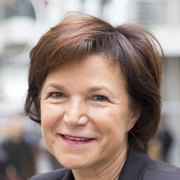
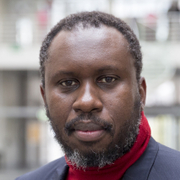
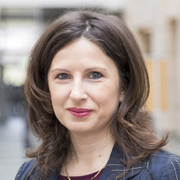
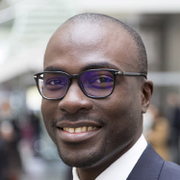
Учитесь у экспертов

Laurence Boisson de Chazournes

Professor

Makane Moïse Mbengue

Professor

Mara Tignino

Reader

Komlan Sangbana

Associate Researcher

International Water Law
В каталоге вашей программы

Инвестируйте в себя

Новые знания — в удобное для вас время.

Начать на Coursera

Обучение откроется на Coursera
в новой вкладке

Обучение на Coursera

≈ 10.2 ч

5 модулей

Язык: Английский

Субтитры: Арабский, Французский, Итальянский, Вьетнамский, Немецкий, Русский, Испанский

Часть программы вашего университета
GlossaryЧтение
Fundamental Legal InstrumentsЧтение

1.2 Challenges and Benefits of the Cooperation on Transboundary Water Resources

1.2.1 Challenges in the Management and Protection of Transboundary Water Resources - Professor Laurence Boisson de Chazournes, Faculty of Law, University of GenevaВидео1.2.2. Transboundary Water Resources as a Possible Cause of Conflict - Dr Mara Tignino, Platform for International Water Law/Geneva Water Hub, University of GenevaВидео1.2.3. The Benefits of Cooperation on Transboundary Water Resources - Dr Komlan Sangbana, Platform for International Water Law/Geneva Water Hub, University of GenevaВидеоFormative Assessment of the Lecture 1.2Задание

1.3. Transboundary Water Resources and their Utilizations

1.3.1. The Multiple Utilizations of Transboundary Water Resources - Professor Laurence Boisson de Chazournes, Faculty of Law, University of GenevaВидео1.3.2. The Characteristics of the Conflicts between Utilizations - Professor Makane Moïse Mbengue, Faculty of Law, Institute for Environmental Sciences, University of GenevaВидео1.3.3. Case Study : Conflict between Uses in the Uruguay River (Argentina/Uruguay) - Dr Mara Tignino, Platform for International Water Law/Geneva Water Hub, University of GenevaВидеоThe Contribution of International Water Law to the Peaceful Management of Transboundary Water ResourcesОбсуждение

1.4 Conclusion and quiz of module 1

1.4. Conclusion - Dr Komlan Sangbana and Dr Mara Tignino, Platform for International Water Law/Geneva Water Hub, University of GenevaВидеоQuiz of module 1Задание
02Module 2: The Evolution of the International Regulation on Fresh Water Resources13 материалов

2.1 Introduction of Module 2

2.1 Introduction - Dr Komlan Sangbana, Platform for International Water Law/Geneva Water Hub, University of GenevaВидео

2.2. The Codification of the Law Applicable on International Watercourses

2.2.1. The Origin of Codification of the Law Applicable to International Watercourses - Interview with Professor Lucius Caflisch, Honorary Professor at the Graduate Institute of International and Development Studies and Former Member of the UN International Law CommissionВидео2.2.2. The Significance of the Entry into Force of the Convention on the Law of the Non-Navigational Uses of International Watercourses of 1997 - Professor Makane Moïse Mbengue, Faculty of Law, Institute for Environmental Sciences, University of GenevaВидео2.2.3. The Contribution of the Convention on the Protection and Use of Transboundary Watercourses and International Lakes of 1992 to the Regulation of Transboundary Water Resources - Interview with Ms Francesca Bernardini, Secretary of the Convention on the Protection and Use of Transboundary Watercourses and International LakesВидео2.2.4. The Role of Civil Society in the Ratification Process of the United Nations Convention of 1997 - Interview with Ms Marie-Laure Vercambre, Director, Water for Life and Peace Programme, Green Cross InternationalВидеоThe Entry into Force of the Convention of 1997 and the Global Opening of the Convention of 1992Обсуждение

2.3. The Case of Groundwater Resources

2.3.1. The Challenges Linked to the Regulation of Groundwater Resources - Ms Raya Stephan, Expert in Water Law, International ConsultantВидео2.3.2. The Work of the International Law Commission on the Law of Transboundary Aquifers - Ms Raya Stephan, Expert in Water Law, International ConsultantВидео2.3.3. The Specificities of the Law on Transboundary Aquifers - Ms Raya Stephan, Expert in Water Law, International ConsultantВидео2.3.4. Case Study : The Genevese Transboundary Aquifer (Switzerland-France) - Interview with Dr Gabriel de Los Cobos - Expert, Hydrogeologist, Department of Geology, Soil and Waste (GESDEC), Canton of GenevaВидеоQuiz of the Lesson 2.3Задание

2.4 Conclusion and Quiz of Module 2

2.4. Conclusion - Dr Komlan Sangbana, Platform for International Water Law/Geneva Water Hub, University of GenevaВидеоQuiz of Module 2Задание
03Module 3: The Principles of the Law on Transboundary Water Resources I11 материалов

3.1. Introduction to Module 3

3.1. Introduction - Dr Mara Tignino, Platform for International Water Law/Geneva Water Hub, University of GenevaВидео

3.2. The Principles Regulating the Sharing of Transboundary Water Resources

3.2.1a. The Key Principles of Water Sharing: the Principle of Equitable and Reasonable Utilization and the Obligation Not to Cause Significant Harm - Dr Mara Tignino, Platform for International Water Law/Geneva Water Hub, University of GenevaВидео3.2.1. The Relationship Between the Principle of Equitable and Reasonable Utilization and the Obligation Not to Cause Significant Harm - Interview with Professor Lucius Caflisch, Honorary Professor at the Graduate Institute of International and Development Studies and Former Member of the UN International Law CommissionВидео3.2.2. Cooperation Between Riparian States and the Notion of the Community of Interests and Rights - Professor Laurence Boisson de Chazournes, Faculty of Law, University of GenevaВидео3.2.3. The Forms of Cooperation - Dr Mara Tignino, Platform for International Water Law/Geneva Water Hub, University of GenevaВидео3.2.4. Case Study: The Experience of the Senegal River Basin Development Organization (OMVS) on the Sharing of Transboundary Water Resources - Professor Makane Moïse Mbengue, Faculty of Law, Institute for Environmental Sciences, University of GenevaВидеоThe Relationship Between the Three Fundamental Principles Regulating the Sharing of Transboundary Water ResourcesОбсуждение

3.3 The Principles Regulating Planned Measures on Transboundary Water Resources

3.3.1. Aims and Modalities of the Obligation on Notification on Planned Measures - Professor Laurence Boisson de Chazournes, Faculty of Law, University of GenevaВидео3.3.2. Triggering and Conduct of the Procedures on Consultations and Negotiations in the Case of Planned Measures - Dr Komlan Sangbana, Platform for International Water Law/Geneva Water Hub, University of GenevaВидео

3.4. Conclusion and quiz of module 3

3.4. Conclusion - Dr Komlan Sangbana, Platform for International Water Law/Geneva Water Hub, University of GenevaВидеоQuiz of module 3Задание
04The Principles of the Law on Transboundary Water Resources II10 материалов

4.1. Introduction of module 4

4.1. Introduction of Module 4 - Dr Mara Tignino, Platform for International Water Law/Geneva Water Hub, University of GenevaВидео

4.2. Water and the protection of the environment

4.2.1. The Contribution of the Multilateral Environmental Agreements (MEAs) to the Protection and Management of Water Resources - Professor Laurence Boisson de Chazournes, Faculty of Law, University of GenevaВидео4.2.2. The Fight against the Pollution of Water Resources - Dr Komlan Sangbana, Platform for International Water Law/Geneva Water Hub, University of GenevaВидео4.2.3. Water and Climate Change - Dr Mara Tignino, Platform for International Water Law/Geneva Water Hub, University of GenevaВидео4.2.4. The Water Charters in Africa: An Innovative Instrument for the Protection of the Aquatic Environment - Professor Makane Moïse Mbengue, Faculty of Law, Institute for Environmental Sciences, University of GenevaВидео

4.3. Water and the Rights of Individuals and Communities

Lecture 4.3.1 The Right to Water and Public Participation - Dr Mara Tignino, Platform for International Water Law/Geneva Water Hub, University of GenevaВидео4.3.2. Case Study: Public Participation in the Context of the International Joint Commission (Canada/United States) - Dr Komlan Sangbana, Platform for International Water Law/Geneva Water Hub, University of GenevaВидеоThe Contemporary Elements of International Water LawОбсуждение

4.4 Conclusion and quiz of module 4

4.4. Conclusion - Dr Mara Tignino, Platform for International Water Law/Geneva Water Hub, University of GenevaВидеоQuiz of Module 4Задание
05Module 5: Prevention and Resolution of Water-Related Disputes 9 материалов

5.1. Introduction of Module 5

5.1. Introduction of Module 5 - Dr Mara Tignino and Dr Komlan Sangbana, Platform for International Water Law/Geneva Water Hub, University of GenevaВидео

5.2 Means to Settlement Water-Related Disputes

5.2.1. The Variety of Diplomatic Means to Settle Water Disputes - Professor Laurence Boisson de Chazournes, Faculty of Law, University of GenevaВидео5.2.2. The Judicial Means to Settle Water Disputes - Professor Laurence Boisson de Chazournes, Faculty of Law, University of GenevaВидео

5.3 The Settlement of Disputes in Practice

5.3.1. The Settlement of Disputes in the Context of the United Nations Convention on the Law of the Non-Navigational Uses of International Watercourses of 1997 - Interview with Professor Lucius Caflisch, Honorary Professor at the Graduate Institute of International and Development Studies and Former Member of the UN International Law CommissionВидео5.3.2. The Contribution of Joint Mechanisms to the Settlement of Water Disputes - Professor Laurence Boisson de Chazournes, Faculty of Law, University of GenevaВидео5.3.3. The Settlement of Water Disputes: Practical Aspects - Professor Makane Moïse Mbengue, Faculty of Law, Institute for Environmental Sciences, University of GenevaВидеоThe Role of Joint Mechanisms in the Prevention and Settlement of Water DisputesОбсуждение

5.4 Conclusion and quiz of module 5

5.4. Conclusion - Dr Mara Tignino and Dr Komlan Sangbana, Platform for International Water Law/Geneva Water Hub, University of GenevaВидеоQuiz of module 5Задание