К содержимому
learnspaceYOUR NEXT CHAPTER
ПРОСТРАНСТВО ОБУЧЕНИЯ
ГлавнаяКаталог курсовМоё обучениеCoursera

Знания без границ

Учитесь у лучших университетов и компаний мира.

Открыть Coursera
Интеграция
Пространство университета
Моё пространствоСтраница курса
↵
ЯЛичный кабинетСтудент
© 2026 LearnSpaceКаждый день — возможность узнать больше.Помощь
Lightcap 4: Light in indoor contexts Effects & implications · LearnSpace
Назад в каталог
courseraЗдоровье

Lightcap 4: Light in indoor contexts Effects & implications

Курс от Eindhoven University of Technology
Уровень не указан≈ 8.7 чАнглийский
О курсеНавыкиПрограммаПреподаватели

О курсе

Light is one of our most valuable resources on this earth. It makes the world visible to us, is the major driver of the 24-hr sleep-wake cycle to which not only humans, but virtually all life on earth (fauna and flora) submits. In fact, there would be no life on earth without light. It is therefore hard to overestimate the impact light has on humans, biologically, psychologically, socially. And yet, we hardly ever think or speak about light. LIGHTCAP 4 is titled “Light in indoor contexts”. This MOOC explores the principles of lighting and its effects on humans in various indoor settings. It introduces elements of light and light sources, light distribution indoors, lighting standards, measurements and last, simulations as an important design tool for optimizing indoor lighting. The course is one in a series of four, each with a different disciplinary basis and with complementary perspectives to the domain of light for humans. The basis of this course is in building physics, lighting design and architecture. In this course you will: (1) learn why it is important to consider light in the design and evaluation of indoor environments (2) understand different light sources (daylight & electric lighting) and their properties as well as conceptual strategies for integrative daylighting and electric lighting design (3) take away a general understanding of the ways in which architecture and design play a role in creating light exposures within indoor environments, and the various factors to keep in mind when designing spaces for people (4) learn which metrics (e.g. glare, contrast, luminance) in a person's field of view need to be considered when providing for good lighting, and how to quantify all these elements (5) learn to consider how light exposure profiles are built over time and how the built environment (particularly indoor spaces) influences that (6) learn about standards and guidelines for indoor lighting on important parameters, such as, glare, discomfort and disability, material reflectance, and surface illumination (7) be introduced to the use of simulation tools to quantify the effect of a lighting design. (8) Specifically, you will learn: how to use grasshopper, perform daylight simulations with Ladybug tools, Electric light simulations with Honeybee legacy, and simulations for non-image forming light effects with Lark Spectral Lighting (9) be re-introduced to light metrology, covering metrological quantities (radiance, irradiance, luminance, illuminance etc.) and their physical foundation (10) learn about different types of light measurement devices (spectrometers, photometers, luminance meters and cameras) and their various applications. (11) learn about procedures for static light measurements in indoor light settings (horizontal vs. vertical, grid arrangement, fov etc.) (12) learn about longitudinal dosimetry, covering methodological considerations regarding measurement (device selection, calibration, measurement setup) and data analysis

Навыки, которые вы освоите

PhysiologyArchitecture and ConstructionSimulationsBuilding DesignSystems Of MeasurementArchitectural DesignPhysicsHuman FactorsLaboratory ProceduresSimulation and Simulation Software3D ModelingDesign StrategiesEngineering, Scientific, and Technical InstrumentsLaboratory Equipment

Программа курса

9 модулей · 62 учебных материалов

01Introduction6 материалов
General Introduction LightcapВидеоCourse introductionЧтениеAbout light and LIGHTCAPЧтениеDisclaimerЧтение

Учитесь у экспертов

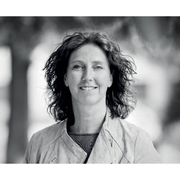
Yvonne de Kort

Full professor light and environmental psychology

Lightcap 4: Light in indoor contexts  Effects & implications
В каталоге вашей программы

Инвестируйте в себя

Новые знания — в удобное для вас время.

Начать на Coursera

Обучение откроется на Coursera
в новой вкладке

Обучение на Coursera

≈ 8.7 ч

9 модулей

Язык: Английский

Часть программы вашего университета
Introductory video LIGHTCAP 4Видео
Course ContentsЧтение
02Chapter 1 - Why? The application of light in indoor contexts7 материалов

Section 1.1 What is light?

Section 1.1Видео

Section 1.2 Light processing in humans

Section 1.2Видео

Section 1.3 The Visual Pathway

Section 1.3Видео

Section 1.4 The Non-Visual Pathway

Section 1.4Видео

Section 1.5 The Circadian clock

Section 1.5Видео

Section 1.6 Light & Health

Section 1.6Видео

Chapter Quiz

Quiz Chapter 1Задание
03Chapter 2 - Daylight and Electric Light Sources6 материалов

Section 2.1 Introduction

Section 2.1Видео

Section 2.2 Daylight Components

Section 2.2Видео

Section 2.3 Daylight Dynamics

Section 2.3Видео

Section 2.4 Electric Light Generation and Lamp Types

Section 2.4Видео

Section 2.5 Electric Light Properties

Section 2.5Видео

Chapter Quiz

Quiz Chapter 2Задание
04Chapter 3 - Spatial light distribution - macro-level (building scale)12 материалов

Section 3.1.1 Daylighting measurements

Section 3.1.1Видео

Section 3.1.2 Daylighting design strategies

Section 3.1.2-aВидеоSection 3.1.2-bВидеоSection 3.1.2-cВидео

Section 3.1.3 Electric lamp design

Section 3.1.3-aВидеоSection 3.1.3-bВидеоSection 3.1.3-cВидео

Section 3.2.1 Access and exposure to light

Section 3.2.1Видео

Section 3.2.2 Programmatic design

Section 3.2.2Видео

Section 3.2.3 Integrative lighting design

Section 3.2.3-aВидеоSection 3.2.3-bВидео

Chapter Quiz

Quiz Chapter 3Задание
05Chapter 4 - Spatial light distribution - micro-level5 материалов

Section 4.1 Introduction

Section 4.1Видео

Section 4.2 Elements of the immediate lighting environment

Section 4.2Видео

Section 4.3 Quantifying the personal lighting environment

Section 4.3Видео

Section 4.4 Spatial light distribution on the luminaire level

Section 4.4Видео

Chapter Quiz

Quiz Chapter 4Задание
06Chapter 5 - Spatial and temporal behavior6 материалов

Section 5.1 Spatial and temporal behavior

Section 5.1Видео

Section 5.2 Variation by location

Section 5.2Видео

Section 5.3 Variation by occupation

Section 5.3Видео

Section 5.4 Visual comfort and glare

Section 5.4Видео

Section 5.5 Light and wayfinding

Section 5.5Видео

Chapter Quiz

Quiz Chapter 5Задание
07Chapter 6 - Why do we quantify light? Standards5 материалов

Section 6.1 Glare - disability

Section 6.1Видео

Section 6.2 Glare - discomfort

Section 6.2Видео

Section 6.3 Materials, reflection, surface illumination

Section 6.3Видео

Section 6.4 Considering ipRGC-induced effects

Section 6.4Видео

Chapter Quiz

Quiz Chapter 6Задание
08Chapter 7 - Lighting simulation with grasshopper plugins8 материалов

Section 7.1 Introduction

Section 7.1Видео

Section 7.2 Using grasshopper Part 1

Section 7.2Видео

Section 7.3 Using grasshopper Part 2

Section 7.3Видео

Section 7.4 Daylight Simulation

Section 7.4Видео

Section 7.5 Electric Light Simulation

Section 7.5Видео

Section 7.6 NIF effects with Lark

Section 7.6Видео

Section 7.7 Conclusion

Section 7.7Видео

Chapter Quiz

ExceptionЧтение
09Chapter 8 - Measurement of Light7 материалов

Section 8.1 Introduction

Section 8.1Видео

Section 8.2 Optical Quantities

Section 8.2Видео

Section 8.3 Light Measurements Part 1

Section 8.3Видео

Section 8.4 Light Measurements Part 2

Section 8.4Видео

Section 8.5 Dosimetry Part 1

Section 8.5Видео

Section 8.6 Dosimetry Part 2

Section 8.6Видео

Chapter Quiz

Quiz Chapter 8Задание