
К содержимому
learnspaceYOUR NEXT CHAPTER
ПРОСТРАНСТВО ОБУЧЕНИЯ
ГлавнаяКаталог курсовМоё обучениеCoursera

Знания без границ

Учитесь у лучших университетов и компаний мира.

Открыть Coursera
Интеграция
Пространство университета
Моё пространствоСтраница курса
↵
ЯЛичный кабинетСтудент
© 2026 LearnSpaceКаждый день — возможность узнать больше.Помощь
Religion and Thought in Modern China: the Song, Jin, and Yuan · LearnSpace
Назад в каталог
courseraИскусство

Religion and Thought in Modern China: the Song, Jin, and Yuan

Курс от The Chinese University of Hong Kong
Уровень не указан≈ 28.1 чАнглийский
О курсеНавыкиПрограммаПреподаватели

О курсе

This sequence of four courses will propose a multi-disciplinary approach to the study of Chinese cultural history conceived of as a succession of modes of rationality (philosophical, bureaucratic, and economic). The focus will be on the moments of paradigm shift from one mode of rationality to another. For each of these moments, cultural facts and artifacts—thought, literature, ritual—will be examined in relationship to changing social, political, and economic systems. The first two courses will cover the periods of the Warring States (481-256 BCE) and the Period of Division (220-589 CE), with a brief excursion into the Han (206 BCE-220 CE). The Warring States laid the social and cultural foundations for the emergence of the imperial mode of rationality; the Period of Division saw the Buddhist “conquest” of China and the emergence of a rationality defined by the opposition of the Three Teachings to shamanism, that is, of a clear contrast between elite and popular culture. The third and fourth courses will focus on the emergence of modern China in the Song-Yuan (960-1368) and of today’s China 1850 to the present. We will see how the modern attack on religion, redefined as "superstition", led not only to religious reform movements but also to a society in which science and the nation became the primary value systems promoted by the state. The courses are listed below: A Critical Cultural History of China - Early China I: Intellectual Change in the Warring States and Han (481 BCE-220 CE) A Critical Cultural History of China - Early China II: Religious Transformation in the Period of Division (220-589 CE) A Critical Cultural History of China - Modern China I: Religion and Thought in the Song, Jin, and Yuan (960-1368) A Critical Cultural History of China - Modern China II: Structuring Values (1850-2015)

Навыки, которые вы освоите

CultureArt HistoryGovernanceAncient HistoryAnthropologySociologyCultural DiversitySocial StudiesEconomicsWorld HistoryLiberal ArtsPolitical Sciences

Программа курса

8 модулей · 86 учебных материалов

01Module 13 Modern China14 материалов

M13.1 Historical background

M13.1 Historical backgroundВидеоM13.1 Historical backgroundЗадание

M13.2 Religious change Introduction

M13.2 Religious change IntroductionВидеоM13.2 Religious change IntroductionЗадание

M13.3 Daoism

Учитесь у экспертов

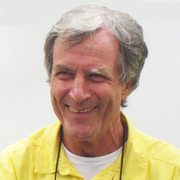
Prof. John Lagerwey

Research Professor

Religion and Thought in Modern China: the Song, Jin, and Yuan
В каталоге вашей программы

Инвестируйте в себя

Новые знания — в удобное для вас время.

Начать на Coursera

Обучение откроется на Coursera
в новой вкладке

Обучение на Coursera

≈ 28.1 ч

8 модулей

Язык: Английский

Субтитры: Арабский, Французский, Украинский, Китайский (Китай), Греческий, Итальянский, Бразильский португальский, Нидерландский, Корейский, Немецкий, Русский, Тайский, Индонезийский, Шведский, Турецкий, Испанский, Хинди, Японский, Казахский, Польский

Часть программы вашего университета
M13.3 DaoismВидео
M13.3 DaoismЗадание

M13.4 Chaoyuantu

M13.4 ChaoyuantuВидеоM13.4 ChaoyuantuЗадание

M13.5 Buddhist and Daoist altars

M13.5 Buddhist and Daoist altarsВидеоM13.5 Buddhist and Daoist altarsЗадание

M13.6 The United Front

M13.6 The United FrontВидеоM13.6 The United FrontЗадание

M13.7 Daoxue as the religion of empire

M13.7 Daoxue as the religion of empireВидеоM13.7 Daoxue as the religion of empireЗадание
02Module 14 State Religion8 материалов

M14.1 State control of religion

M14.1 State control of religionВидеоM14.1 State control of religionЗадание

M14.2 Dynastic ancestors

M14.2 Dynastic ancestorsВидеоM14.2 Dynastic ancestorsЗадание

M14.3 Huizong

M14.3 HuizongВидеоM14.3 HuizongЗадание

M14.4 The role of Confucianism

M14.4 The role of ConfucianismВидеоM14.4 The role of ConfucianismЗадание
03Module 15 Local Society10 материалов

M15.1 The village earth god association

M15.1 The village earth god associationВидеоM15.1 The village earth god associationЗадание

M15.2 Village earth gods

M15.2 Village earth godsВидеоM15.2 Village earth godsЗадание

M15.3 Buddhists, Daoists, and kinship institutions

M15.3 Buddhists, Daoists, and kinship institutionsВидеоM15.3 Buddhists, Daoists, and kinship institutionsЗадание

M15.4 Shamans

M15.4 ShamansВидеоM15.4 ShamansЗадание

M15.5 Chen Chun

M15.5 Chen ChunВидеоM15.5 Chen ChunЗадание
04Module 16 Daoism in the Song and Jin10 материалов

M16.1 The Universal Salvation ritual

M16.1 The Universal Salvation ritualВидеоM16.1 The Universal Salvation ritualЗадание

M16.2 Daoist marshals

M16.2 Daoist marshalsВидеоM16.2 Daoist marshalsЗадание

M16.3 The Orthodox Method of the Heart of Heaven

M16.3 The Orthodox Method of the Heart of HeavenВидеоM16.3 The Orthodox Method of the Heart of HeavenЗадание

M16.4 The Heavenly Masters and the universal pantheon

M16.4 The Heavenly Masters and the universal pantheonВидеоM16.4 The Heavenly Masters and the universal pantheonЗадание

M16.5 Daoist self-cultivation

M16.5 Daoist self-cultivationВидеоM16.5 Daoist self-cultivationЗадание
05Module 17 Buddhism in the Song10 материалов

M17.1 Chan self-cultivation

M17.1 Chan self-cultivationВидеоM17.1 Chan self-cultivationЗадание

M17.2 Tiantai ritual

M17.2 Tiantai ritualВидеоM17.2 Tiantai ritualЗадание

M17.3 Ritual as self-cultivation

M17.3 Ritual as self-cultivationВидеоM17.3 Ritual as self-cultivationЗадание

M17.4 Rituals for the laity

M17.4 Rituals for the laityВидеоM17.4 Rituals for the laityЗадание

M17.5 Self-cultivation and ritual innovation

M17.5 Self-cultivation and ritual innovationВидеоM17.5 Self-cultivation and ritual innovationЗадание
06Module 18 Dunhuang12 материалов

M18.1 Cave culture

M18.1 Cave cultureВидеоM18.1 Cave cultureЗадание

M18.2 Big Buddhas

M18.2 Big BuddhasВидеоM18.2 Big BuddhasЗадание

M18.3 Jingtu (the Pure Land) - In Buddhist ritual

M18.3.1 In Buddhist ritualВидеоM18.3.1 In Buddhist ritualЗадание

M18.4 Jingtu (the Pure Land) - In a Dunhuang cave mural

M18.4.1 The central mural and karmic enmityВидеоM18.4.1 The central mural and karmic enmityЗаданиеM18.4.2 The sixteen contemplationsВидеоM18.4.2 The sixteen contemplationsЗаданиеM18.4.3 The final three contemplationsВидеоM18.4.3 The final three contemplationsЗадание
07Module 19 Confucianism in the Song 1 12 материалов

M19.1 Background

M19.1 BackgroundВидеоM19.1 BackgroundЗадание

M19.2 The precursors

M19.2 The precursorsВидеоM19.2 The precursorsЗадание

M19.3 The Cheng brothers

M19.3 The Cheng brothersВидеоM19.3 The Cheng brothersЗадание

M19.4 Zhu Xi

M19.4 Zhu XiВидеоM19.4 Zhu XiЗадание

M19.5 Zhu Xi and Lu Jiuyuan

M19.5 Zhu Xi and Lu JiuyuanВидеоM19.5 Zhu Xi and Lu JiuyuanЗадание

M19.6 Zhu Xi’s exclusions

M19.6 Zhu Xi’s exclusionsВидеоM19.6 Zhu Xi’s exclusionsЗадание
08Module 20 Confucianism in the Song 210 материалов

M20.1 Before Zhu Xi

M20.1 Before Zhu XiВидеоM20.1 Before Zhu XiЗадание

M20.2 Zhu Xi: What and how to read

M20.2 Zhu Xi: What and how to readВидеоM20.2 Zhu Xi: What and how to readЗадание

M20.3 The role of cosmology and ritual

M20.3 The role of cosmology and ritualВидеоM20.3 The role of cosmology and ritualЗадание

M20.4 The role of the elite

M20.4 The role of the eliteВидеоM20.4 The role of the eliteЗадание

M20.5 Daoxue academies

M20.5 Daoxue academiesВидеоM20.5 Daoxue academiesЗадание