К содержимому
learnspaceYOUR NEXT CHAPTER
ПРОСТРАНСТВО ОБУЧЕНИЯ
ГлавнаяКаталог курсовМоё обучениеCoursera

Знания без границ

Учитесь у лучших университетов и компаний мира.

Открыть Coursera
Интеграция
Пространство университета
Моё пространствоСтраница курса
↵
ЯЛичный кабинетСтудент
© 2026 LearnSpaceКаждый день — возможность узнать больше.Помощь
Operational Research for Humanitarians · LearnSpace
Назад в каталог
courseraЗдоровье

Operational Research for Humanitarians

Курс от University of Geneva
Начальный≈ 17.8 чАнглийский
О курсеНавыкиПрограммаПреподаватели

О курсе

Evidence is central to good decision-making both in the humanitarian sector and beyond. Every day, a vast amount of evidence is generated that is relevant to humanitarian actors, much of it through research by academics and practitioners. This evidence can be incredibly valuable. It can help us better understand a situation and make humanitarian action more effective and accountable. The difficulty comes with understanding what evidence is relevant to our circumstances, where to find it, and how to assess its quality. This course will provide you with the fundamental knowledge and skills to answer these questions and help you better engage with research. It has been developed with you - a humanitarian professional or junior researcher - in mind. The course moves through the core research concepts one-at-a-time and does not require any prior knowledge or experience. We encourage all of you to plan your own learning journey by using this MOOC in a way that is most useful to you. Content highlights: • How can research be used for humanitarian practice? • What are the most appropriate research methods? • How can I judge the quality of the evidence and whether it is applicable to the context I work in? • How can populations in a situation of vulnerability be protected during a study? This course - co-developed in a partnership between academic and humanitarian institutions - is strongly positioned to give you the needed skills and knowledge to build a bridge between research and practice. We hope that this course will change your perspectives and improve your knowledge and, ultimately, make humanitarian responses more evidence-based. Enjoy!

Навыки, которые вы освоите

Research DesignResearchResearch MethodologiesInstitutional Review Board (IRB)Informed ConsentDecision MakingAccountabilityCommunity and Social WorkQualitative ResearchPolicy Analysis, Research, and DevelopmentCase StudiesData CollectionSurveysNeeds AssessmentEthical Standards And Conduct

Программа курса

5 модулей · 133 учебных материалов

01Why conduct research in humanitarian settings27 материалов

Welcome

MOOC trailerВидеоWelcome to this MOOCВидеоCourse informationЧтение📢 Important preliminary information: Evaluations and subtitlesЧтение

Why do we need research ?

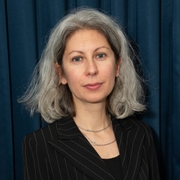
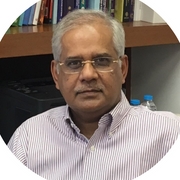
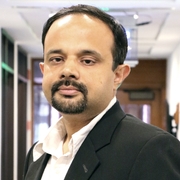
Учитесь у экспертов

Karl Blanchet

Director of the Geneva Centre of Humanitarian Studies

Francesca Grandi

Senior Operational Researcher

Emilie Venables

Senior Operational Researcher

Sameen Siddiqi

Chair for the Department of Community Health Sciences

Maleeha Naseem

Senior Instructor for the Department of Community Health Sciences

Jai Das

Assistant Professor, Division of Women and Child Health, Aga Khan University, Karachi

Benjamin Schmid

Public Health Researcher and MOOC Coordinator

Operational Research for Humanitarians
В каталоге вашей программы

Инвестируйте в себя

Новые знания — в удобное для вас время.

Начать на Coursera

Обучение откроется на Coursera
в новой вкладке

Обучение на Coursera

≈ 17.8 ч

5 модулей

Язык: Английский

Субтитры: Арабский, Французский, Украинский, Китайский (Китай), Греческий, Итальянский, Бразильский португальский, Нидерландский, Корейский, Немецкий, Русский, Тайский, Индонезийский, Шведский, Турецкий, Испанский, Хинди, Японский, Казахский, Польский

Часть программы вашего университета
Conducting Research - Part 1 (Trailer)Видео
Presentation of the moduleВидео
Conducting Research - Part 2Видео
Needs and rightsЧтение
When do we need researchЧтение
Needs and rightsЗадание
Personal experienceОбсуждение

What counts as evidence?

Decisions, decisions, decisionsВидеоDecision makingЧтениеEvidence-based decisionsЗаданиеBias and evidenceВидеоDefining evidenceЧтениеEvidenceЗадание

Valuable for whom?

Views on humanitarian research: forewordЧтениеViews on humanitarian researchPLUGINThe value of research: PerspectivesВидеоValuable for whom?ЗаданиеShowcase: How you use researchВидеоValuable when?Внешний инструмент

Summary and evaluation

📢 Important preliminary information: Evaluations and subtitlesЧтениеModule #1 evaluationЗаданиеWeekly summaryВидеоOptional ReadingsЧтение
02Research questions and study designs24 материалов

The research process

Presentation of the moduleВидеоThe research processВидеоThe research processВнешний инструментFrom needs to research: Experience of a humanitarian researcherВидеоFrom needs to researchЗадание

Research questions: Formulation and flaws

Research questions (Part 1)ЧтениеResearch questions (Part 1: your ideas)ОбсуждениеFormulating a research questionВидеоResearch questions (Part 2)ЗаданиеResearch questions and typical flawsЧтениеResearch questions and typical flawsЗадание

Choosing a study design

Study designs: Part 1ВидеоStudy designs: Part 2ВидеоSummary: The study designsЧтениеResearch methodsВнешний инструментApplication of research methodsВидеоMatching research questions and study designsЗадание

Recognising high-quality evidence

How to recognise high-quality evidenceВидеоBiases and qualityЧтениеSpotting and recognizing biasesВидеоMix & match: Quality and biasesВнешний инструмент

Summary and evaluation

Module #2 evaluationЗаданиеWeekly summaryВидеоOptional ReadingsЧтение
03Conducting research in humanitarian settings30 материалов

Challenges and opportunities of conducting research in humanitarian settings

Presentation of the moduleВидеоThe reality of implementing researchВидеоWhat is different in humanitarian settings?ЧтениеSummarizing the differencesЧтениеImplementing researchЗаданиеChallenges and opportunities - the big pictureВидео

Robustness vs. feasibility

Robustness vs. feasibilityВидеоResearch methods for humanitariansЧтениеFeasibility of research methodsЗаданиеWhich method?ВидеоWhich method?ЗаданиеExisting evidenceВидеоWhere to look for evidence

Mixed-methods

Case studies #1 and #2ЧтениеQuantitative and qualitative methodsЗаданиеCase study #3ВидеоHow to mix methodsЧтениеMixed-methods: Robustness vs. feasibilityВидеоMixed-methodsЗаданиеVisual research methods

Research tools and adaptations

Adapting tools and methodsВидеоDynamic researchЧтениеAdapting tools and methodsЗаданиеUseful data collection toolsЧтениеUseful data collection toolsЗаданиеThe research mindsetВидеоResearch mindset

Summary and evaluation

Module #3 evaluationЗаданиеWeekly summaryВидеоOptional ReadingsЧтение
04Ethics and community engagement25 материалов

Introduction

Presentation of the moduleВидеоOverview of ethical principles of researchВидеоEthical principles of researchВнешний инструментField ethics during EbolaЧтениеField ethics during EbolaЗадание

Ethical risks: from identification to mitigation

The main ethical risksВидеоInformed consentВидеоCase study: Dakar workshopЧтениеEthical risks and informed consentЗаданиеPersonal experiences with ethical dilemmasОбсуждение

The ethics review process: What is it?

Ethics review process: An exampleЧтениеIntroducing ethics reviewВидеоEthics review processЗаданиеConducting an ethics reviewЧтениеConducting an ethics reviewЗадание

Community engagement

(Silent) voices: The Bukavu expoЧтениеThe Bukavu expo: ExperiencesОбсуждениеWhy should we engage communities?ВидеоHow to engage communitiesВидеоCommunity stakeholders and engagementВнешний инструментParticipatory methods for community engagementЧтение

Summary and evaluation

Module #4 evaluationЗаданиеWeekly summaryВидеоOptional ReadingsЧтение
05Translating knowledge into action27 материалов

Introduction: Translating evidence

Presentation of the moduleВидеоTestimony of a practitionerВидеоChallenges of translating evidence into practiceВидеоSummary of key challengesЧтениеChallenges of translating evidence into practiceЗаданиеCase study: The Humanitarian EncyclopediaЧтение

Accountability to donors, communities, and partners

What is accountability?ВидеоTo whom are humanitarian organisations accountable?ВидеоAccountabilityЗаданиеAccountability to the donorВидеоAccountability to affected peopleЧтениеAccountable to whom?Задание

In theory

Evidence use and knowledge transferВидеоApplying frameworksЧтениеKey frameworksЗаданиеPower dynamicsВидеоMix & match: Power dynamicsВнешний инструмент

In practice

How to translate research findings into policy and practice? Examples of good practicesВидеоCase study: Translating research findingsЧтениеGood practice examplesЗаданиеGood practice: How to communicate research findingsВидеоCommunicate research findingsЗаданиеResearch outputsЧтение

Summary and evaluation

Module #5 evaluationЗаданиеMOOC summaryВидеоOptional ReadingsЧтение
Чтение
Видео
Задание
The value of community engagementЗадание
Good-practice: Translating research findingsВнешний инструмент