К содержимому
learnspaceYOUR NEXT CHAPTER
ПРОСТРАНСТВО ОБУЧЕНИЯ
ГлавнаяКаталог курсовМоё обучениеCoursera

Знания без границ

Учитесь у лучших университетов и компаний мира.

Открыть Coursera
Интеграция
Пространство университета
Моё пространствоСтраница курса
↵
ЯЛичный кабинетСтудент
© 2026 LearnSpaceКаждый день — возможность узнать больше.Помощь
Resilience in Children Exposed to Trauma, Disaster and War: Global Perspectives · LearnSpace
Назад в каталог
courseraЗдоровье

Resilience in Children Exposed to Trauma, Disaster and War: Global Perspectives

Курс от University of Minnesota
Уровень не указан≈ 20.1 чАнглийский
О курсеНавыкиПрограммаПреподаватели

О курсе

How do children overcome hazardous experiences to succeed in life? What can be done to protect young people at risk from trauma, war, disasters, and other adversities? Learn about the importance of fostering resilience in children at risk. During this course, participants will: learn how trauma can affect children and the systems they depend on, gain insight into core concepts, research methods and lessons learned in last 50 years of resilience research, learn how research is being applied in the real world through interventions that promote resilience, and engage in discussions with others who are working with children at risk around the world Participants are welcome to take the MOOC at no cost or to register for a Course Certificate ($49). Those who register and earn a Course Certificate from Coursera also are eligible to sign up for continuing education clock hours through the University of Minnesota. Participants can earn 10 clock hours of continuing education credit (added cost $99) from the College of Education and Human Development at the University of Minnesota. Go here http://z.umn.edu/1a5q to register for continuing education clock hours for completing this course.

Навыки, которые вы освоите

Child DevelopmentCultureResearch MethodologiesCase StudiesRisk AnalysisTrauma CareCultural DiversityChild WelfareFamily SupportCrisis InterventionWorking With ChildrenResearchHuman DevelopmentSocial SciencesScience and Research

Программа курса

6 модулей · 93 учебных материалов

01Week 1: Origins and Landmark Studies in the Science of Resilience in Children 15 материалов

Week 1

1.1 Introduction to the CourseВидео1.2 Origins and 4 Waves of Resilience ScienceВидео1.3 Defining ResilienceВидео1.4 Early Landmark Studies of ResilienceВидео1.5 Resilience in Books and Films

Учитесь у экспертов

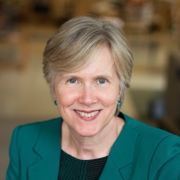
Ann S. Masten, Ph.D.

Regents Professor, Irving B. Harris Professor of Child Development

Resilience in Children Exposed to Trauma, Disaster and War: Global Perspectives
В каталоге вашей программы

Инвестируйте в себя

Новые знания — в удобное для вас время.

Начать на Coursera

Обучение откроется на Coursera
в новой вкладке

Обучение на Coursera

≈ 20.1 ч

6 модулей

Язык: Английский

Субтитры: Арабский, Французский, Бенгальский, Украинский, Китайский (Китай), Греческий, Итальянский, Бразильский португальский, Вьетнамский, Нидерландский, Корейский, Немецкий, Пушту, Урду, Русский, Тайский, Индонезийский, Шведский, Турецкий, Азербайджанский, Испанский, Дари, Хинди, Японский, Казахский, Венгерский, Польский

Часть программы вашего университета
Видео
Required readingЧтение
Optional video: Resilience in the face of adversity by the Center for Substance Abuse Prevention.Видео
Optional video on Dr. MaddausЧтение
Additional Videos (optional)Чтение
Optional readingЧтение
Active Learning Assignment 1: Interview on ResilienceЧтение
Self-Report for Completing Active Learning Assignment 1Задание
Week 1 DiscussionЧтение
Week 1 QuizЗадание
Coming next weekЧтение
02Week 2: Methods and Models of Research on Resilience (including case studies)16 материалов

Week 2

2.1 OverviewВидео2.2 Person-focused methods: Single Case Studies (including the case of Sara)Видео2.3 Person-focused models and methods: Group ComparisonsВидео2.4 Variable-focused methods: Risk gradientsВидео2.5 Variable-focused methods: Promotive factorsВидео2.6 Variable-focused methods: Moderator models and protective factorsВидео2.7 Combined methodsВидео2.8 Pathway modelsВидео2.9 Intervention modelsВидео2.10 Ready Set Go Intervention ExampleЧтениеActive Learning Assignment 2: Case Study of Dr. Michael MaddausЧтениеCase study of Mike Maddaus: Self-report for Completing Active Learning Assignment 2ЗаданиеWeek 2 DiscussionЧтениеReminderЧтениеWeek 2 QuizЗаданиеComing next weekЧтение
03Week 3: Effects on Children of Natural and Technological Disasters 14 материалов

Week 3

3.1 OverviewВидео3.2 EffectsВидео3.3 Resilience and recoveryВидео3.4 InterventionВидео3.5 Preparing for DisasterВидеоRequired readingЧтениеInfographicsЧтениеActive Learning Assignment 3: DisasterЧтениеInterview with Joy Osofsky on Children in DisasterВидеоDisaster: Self-report for Completing Active Learning Assignment 3ЗаданиеWeek 3 DiscussionЧтениеReminderЧтениеWeek 3 QuizЗаданиеComing next weekЧтение
04Week 4: Resilience in Children Exposed to War and Political Violence 14 материалов

Week 4

4.1 War, Terror, and Political Conflict: OverviewВидео4.2 Threats to Child DevelopmentВидео4.3 Telling the StoryВидео4.4 War and ResilienceВидео4.5 Terror and ResilienceВидео4.6 Intervention StudiesВидео4.7 Youth in Political ConflictsВидео4.8 Pathways to PeaceВидеоVideo Activity: Choose OneЧтениеResources on peace education mentioned in the video lectures - for your interest, not requiredЧтениеWeek 4 DiscussionЧтениеReminderЧтениеWeek 4 QuizЗаданиеComing next weekЧтение
05Week 5: Roles of Families, Schools, Culture, and Community in Promoting Resilience of Children18 материалов

Week 5

5.1 OverviewВидео5.2 The Short ListВидео5.3 Adaptive Systems in the ChildВидео5.4 Adaptive Systems in RelationshipsВидео5.5 Family and Family ResilienceВидео5.6 Adaptive Systems in Culture and CommunityВидео5.7 The Roles of School in Child ResilienceВидеоRequired readingЧтениеOptional readingЧтениеOptional video: Mini-Interview with Froma WalshВидеоOptional video: Interview with Frosso Motti-StefanidiВидеоOptional video: Solomon Muche's storyВидеоInterview with Michael Ungar (part of Active Learning Project 4)ВидеоActive Learning Assignment 4: Protective Factors Around the WorldЧтениеWeek 5 DiscussionЧтениеProtective factors around the world: Self-report for Completing Active Learning Assignment 4ЗаданиеWeek 5 QuizЗаданиеComing next weekЧтение
06Week 6: A Resilience Framework for Action, Enduring Controversies, and New Horizons in the Study of Resilience 16 материалов

Week 6

6.1 Resilience in Action: OverviewВидео6.2 A Framework for ActionВидео6.3 Strategies and Strategic ActionВидео6.4 Enduring ControversiesВидео6.5 Cautionary NotesВидео6.6 New Horizons in NeurobiologyВидео6.7 New Horizons in Culture and SocietyВидео6.8 Think GloballyВидео6.9 Course Wrapup and AcknowledgmentsВидеоRequired readingsЧтениеOptional readingЧтениеOptional video: Interview with Dante CicchettiВидеоOptional video: Interview with Michael RutterВидеоWeek 6 Discussion and Reflections on the Course as a WholeЧтениеWeek 6 QuizЗаданиеFinalЗадание