
К содержимому
learnspaceYOUR NEXT CHAPTER
ПРОСТРАНСТВО ОБУЧЕНИЯ
ГлавнаяКаталог курсовМоё обучениеCoursera

Знания без границ

Учитесь у лучших университетов и компаний мира.

Открыть Coursera
Интеграция
Пространство университета
Моё пространствоСтраница курса
↵
ЯЛичный кабинетСтудент
© 2026 LearnSpaceКаждый день — возможность узнать больше.Помощь
Space Mission Design and Operations · LearnSpace
Назад в каталог
courseraИнженерия

Space Mission Design and Operations

Курс от École Polytechnique Fédérale de Lausanne
Средний≈ 72.1 чАнглийский
О курсеНавыкиПрограммаПреподаватели

О курсе

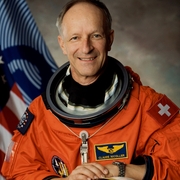
Learn the concepts used in the design of space missions, manned or unmanned, and operations, based on the professional experience of the lecturer. Space exploration is a very exciting subject. Consider the achievements of Sputnik 1, Yuri Gagarin's first flight in space, the Apollo missions to the Moon, followed by the Shuttle program, the Hubble Space Telescope launch and maintenance on orbit, and finally the assembly and exploitation of the International Space Station. These were challenging undertakings involving space agencies and industrial teams of several nations, and private companies as well. Space telescopes are in service, and several components of the solar system have been and are still actively visited by a number of unmanned probes and robots providing us with precious knowledge about our space environment as well as the far away Universe. This course builds on university level physics and mechanics to introduce and illustrate orbital dynamics as is applied in the design of space missions. Simple tools will be provided to allow planning of missions on orbit around Earth or in the Solar System. You will learn from the experience of Claude Nicollier, one of the first ESA astronauts, specifically through his involvement in the Shuttle project and his role in the maintenance of the Hubble Space Telescope on two occasions. The course focuses on conceptual understanding of space mechanics, maneuvers, propulsion and control systems used in all spacecraft. You will gain knowledge of the challenges related to the use of the space environment as a platform for scientific and utilitarian purposes.

Навыки, которые вы освоите

MechanicsControl SystemsPhysical ScienceConcept Of OperationsEnvironmentRoboticsPhysics

Программа курса

9 модулей · 329 учебных материалов

01Unit 0: Introduction31 материалов

0.1. Welcome

WelcomeЧтениеTeam IntroductionЧтениеEPFL & Space Mission Design and OperationsЧтениеEPFL PresentationВидео

Учитесь у экспертов

Claude Nicollier

Преподаватель курса

Space Mission Design and Operations
В каталоге вашей программы

Инвестируйте в себя

Новые знания — в удобное для вас время.

Начать на Coursera

Обучение откроется на Coursera
в новой вкладке

Обучение на Coursera

≈ 72.1 ч

9 модулей

Язык: Английский

Часть программы вашего университета
EPFL Minor in Space TechnologiesЧтение
Course components descriptionЧтение
Grading policyЧтение
Discussion guidelinesЧтение

0.2. How to navigate through the course

Getting Started on CourseraЧтениеSearch the courseЧтение

0.3. Course Objectives

Objective videoВидеоAdditional ResourcesЧтение

0.4. Brief history of (mainly human) Space Exploration

0.4.1. Space pioneersВидео0.4.2. Milestones in the early space programsВидео0.4.3. The race to the MoonВидеоAdditional resourceЧтениеSaturn V Launch VideoВидео0.4.4. Space stations, Space Shuttle, and International cooperationВидеоUpdatesЧтение0.4.5. The Outer Space TreatyВидеоMoon Treaty present statusЧтение

0.5. Introduction to Main Space Missions

0.5.1. Space Agencies and private companies providing access to spaceВидео0.5.2. Space utilizationВидео0.5.3. Space science and explorationВидео0.5.4. Access to spaceВидео

0.6. Survey

Initial SurveyЧтениеInitial SurveyPLUGIN

0.7. Focus on

IntroductionЧтениеClaude Nicollier InterviewВидеоErratumЧтение

0.8 Weekly Discussion - Unit 0

Weekly Discussion Unit 0Обсуждение
02Unit 1: Brief review of the laws of mechanics and introduction to the space environment58 материалов

1.1. Synopsis

Unit 1 SynopsisЧтение1.1.1. Unit 1 synopsisВидео

1.2. Review of Laws of Mechanics

1.2.1. Newton's laws and inertial frameВидеоPractice QuizЧтение1.2.1.Q Practice QuizЗадание1.2.2. Laws of gravitation and rotating bodiesВидеоPractice QuizЧтение1.2.2.Q Practice QuizЗадание1.2.3. Conservation lawsВидеоPractice QuizЧтение1.2.3.Q Practice QuizЗаданиеConclusionЧтение1.2.5. Control QuizЗадание

1.3. Introduction to the near space environment

1.3.1. The high atmosphere and transition to SpaceВидео1.3.2. Transparency of the atmosphere and light effectsВидеоConclusionЧтение1.3.4. Control QuizЗадание

1.4. Magnetic field and Sun

1.4.1. Magnetic fieldВидеоPractice QuizЧтение1.4.1.Q Practice QuizЗадание1.4.2. The Sun and its variationsВидеоPractice QuizЧтение1.4.2.Q Practice QuizЗадание1.4.3. The active Sun

1.5. Radiation environment

1.5.1. Particles flux in the Earth environmentВидео1.5.2. Radiation on Earth and in the solar systemВидеоPractice QuizЧтение1.5.2.Q Practice QuizЗадание1.5.3. Earth's energy budgetВидеоErratum and disclaimerЧтение

1.6. Orbital lifetimes, space debris and Asteroids/comets collision threats

1.6.1. Orbital lifetimeВидеоPractice quizЧтение1.6.1.Q Practice quizЗадание1.6.2. Space DebrisВидео1.6.3. Asteroids and comets collision threatsВидеоPractice quizЧтение

1.7. Summary and test

Unit 1 conceptsЧтение1.7.2. TestЗадание

1.8. Focus on

IntroductionЧтениеThomas Schildknecht Interview ВидеоAdditional ResourcesЧтениеIntroductionЧтениеMuriel Richard Interview ВидеоAdditional resourcesЧтение

1.9 Weekly Discussion - Unit 1

Weekly Discussion Unit 1ОбсуждениеYour feedbackPLUGIN
03Unit 2: Introduction to orbital mechanics39 материалов

2.1. Synopsis

Unit 2 SynopsisЧтение2.1.1. Unit 2 synopsisВидео

2.2. Concept of gravitational well and dynamics of spaceflight

2.2.1. Concept of Gravitational wellВидео2.2.2. Concept of gravitational well: developmentВидеоPractice QuizЧтение2.2.2.Q Practice QuizЗадание2.2.3. Escape and transfer velocityВидеоPractice QuizЧтение2.2.3.Q Practice QuizЗаданиеConclusionЧтение2.2.5. Control QuizЗадание

2.3. Orbital motion and Kepler's laws

2.3.1. Orbital motions and Kepler's lawsВидеоPractice QuizЧтение2.3.1.Q Practice QuizЗаданиеConclusionЧтение2.3.3. Control QuizЗадание

2.4. Case of circular and elliptical orbits

2.4.1. Circular and elliptical orbitsВидеоPractice QuizЧтение2.4.1.Q Practice QuizЗадание2.4.2. Elliptical orbits: examples and Kepler's equationВидеоPractice QuizЧтение2.4.2.Q Practice QuizЗадание

2.5. Reference frames

2.5.1. Reference framesВидеоPractice QuizЧтение2.5.1.Q Practice QuizЗадание2.5.2. Orbital parameters and calendarsВидеоPractice QuizЧтение2.5.2.Q Practice QuizЗаданиеConclusion

2.6. Summary and test

Unit 2 conceptsЧтение2.6.2. TestЗадание

2.7. Focus on

IntroductionЧтениеAndrea Accomazzo Interview ВидеоAdditional ResourcesЧтение

2.8 Weekly Discussion - Unit 2

Weekly Discussion Unit 2ОбсуждениеYour feedback - IFramePLUGIN
04Unit 3: Orbital maneuvers, special orbits and rendezvous47 материалов

3.1. Synopsis

Unit 3 SynopsisЧтение3.1.1. Unit 3 synopsisВидео

3.2. Orbital maneuvers

3.2.1. Orbital maneuvers and Hohmann transferВидео3.2.2. Hohmann transfer: the case of small delta VВидеоPractice QuizЧтение3.2.2.Q Practice QuizЗадание3.2.3. Change of orbital planeВидеоPractice QuizЧтение3.2.3.Q Practice QuizЗаданиеConclusionЧтение3.2.5. Control QuizЗадание

3.3. Special orbits

3.3.1. Geosynchronous and geostationary orbitsВидеоErratumЧтениеPractice QuizЧтение3.3.1.Q Practice QuizЗадание3.3.2. Nodal regression and Sun-syncronous orbitsВидео3.3.3 Lagrange pointsВидеоPractice Quiz

3.4. Rendezvous

3.4.1. Catch up rate for nearby orbitsВидео3.4.2. Maneuvers and burnsВидеоPractice QuizЧтение3.4.2.Q Practice QuizЗадание3.4.3. Rendezvous phasesВидео3.4.4. Rendezvous profileВидеоAnimations

3.5. The case of ATV

3.5.1. Automatic Transfer Vehicle (ATV)ВидеоATV: Launch, Docking and re-entryЧтениеESA VideoPLUGIN

3.6. Summary and test

ConceptsЧтение3.6.2. TestЗадание

3.7. Focus on

IntroductionЧтениеWilly Benz Interview ВидеоAdditional resourcesЧтение

3.8 Weekly Discussion - Unit 3

Weekly Discussion Unit 3ОбсуждениеYour feedbackPLUGIN
05Unit 4: Interplanetary trajectories and propulsion44 материалов

4.1. Synopsis

Unit 4 synopsisЧтение4.1.1. Unit 4 synopsisВидео

4.2. Interplanetary trajectories

4.2.1. Introduction to interplanetary trajectoriesВидеоPractice QuizЧтение4.2.1.Q Practice QuizЗадание4.2.2. Departure from a planetВидео4.2.3. More on a departure from a planetВидеоPractice QuizЧтение4.2.3.Q Practice QuizЗадание4.2.4. Arrival to a planetВидеоErratumЧтение4.2.5. SummaryВидеоPractice QuizЧтение4.2.5.Q Practice QuizЗаданиеConclusionЧтение4.2.7. Control QuizЗадание

4.3. Aerodynamic braking and slingshot maneuvers

4.3.1. Aerodynamic braking maneuversВидео4.3.2. Slingshot maneuvers (gravity assist)ВидеоPractice QuizЧтение4.3.2.Q Practice QuizЗаданиеConclusionЧтение4.3.4. Control QuizЗадание

4.4. Propulsion

4.4.1. Spacecraft propulsionВидео4.4.2. More on space propulsionВидеоPractice QuizЧтение4.4.2.Q Practice QuizЗадание4.4.3. Nuclear and electric propulsionВидеоPractice QuizЧтение4.4.3.Q Practice Quiz

4.5. Ascent into space and re-entry

4.5.1. Ascent to space and re-entryВидеоConclusionЧтение4.5.3. Control QuizЗадание

4.6. Summary and test

ConceptsЧтение4.6.2. TestЗадание

4.7. Focus on

IntroductionЧтениеMike Foale InterviewВидеоAdditional resourcesЧтениеIntroductionЧтениеNaoko Yamazaki interviewВидеоAdditional resourcesЧтение

4.8 Weekly Discussion - Unit 4

Weekly Discussion Unit 4ОбсуждениеYour feedbackPLUGIN
06Unit 5: Selected spacecraft systems37 материалов

5.1. Synopsis

Unit 5 synopsisЧтение5.1.1. Unit 5 synopsisВидео

5.2. Attitude Control

5.2.1. Attitude control: DefinitionsВидеоPractice QuizЧтение5.2.1.Q Practice QuizЗадание5.2.2. Types of attitude controlВидео5.2.3. Closed loop attitude controlВидеоPractice QuizЧтение5.2.3.Q Practice QuizЗадание5.2.4. Thruster attitude controlВидео5.2.5. Gyro-based attitude controlВидео5.2.6. Attitude and translation control for the Space ShuttleВидеоPractice QuizЧтение5.2.6.Q Practice QuizЗадание5.2.7 ConclusionЧтение5.2.8. Control QuizЗадание

5.3. Electrical power generation: classical and alternative methods

5.3.1. Electrical power generationВидео5.3.2. Electrical power generation in space with a conductive tetherВидеоPractice QuizЧтение5.3.2.Q Practice QuizЗадание5.3.3. Application of a non-electrodynamic tetherВидеоReferenceЧтение

5.4. Reliability of space systems

5.4.1. Reliability of space systemsВидеоConclusionЧтение5.4.3. Control QuizЗадание

5.5. Summary and test

ConceptЧтение5.5.2. TestЗадание

5.6. Focus on

IntroductionЧтениеHitoshi Kuninaka VideoВидеоAdditional resourcesЧтение

5.7 Weekly Discussion - Unit 5

Weekly Discussion Unit 5ОбсуждениеYour feedbackPLUGIN
07Unit 6: Human spaceflight - Space vehicles and operations39 материалов

6.1. Synopsis

Unit 6 synopsisЧтение6.1.1. Unit 6 synopsisВидео

6.2. Space Shuttle

6.2.1. Space Shuttle: Concepts and initial testsВидео6.2.2. Space Shuttle: First flightВидео6.2.3. Space Shuttle: Habitable areasВидеоPractice quizЧтение6.2.3.Q Practice QuizЗадание6.2.4. Space Shuttle: from count down to orbitВидео6.2.5. Space Shuttle: from orbit to post landingВидеоConclusionЧтение6.2.7. Control QuizЗадание

6.3. Space Shuttle: Selected missions

6.3.1. Space Shuttle selected missionsВидеоErratumЧтение6.3.2. Space Shuttle Challenger accidentВидеоPractice quizЧтение6.3.2.Q Practice QuizЗадание6.3.3. Space Shuttle Columbia accidentВидео

6.4. ISS including access and supply

6.4.1. International Space StationВидео6.4.2. Human access to ISSВидеоNoteЧтениеPractice QuizЧтение6.4.2.Q Practice QuizЗадание6.4.3. Logistic supply to ISSВидео6.4.4. Conclusion

6.5. Summary and test

ConceptsЧтениеTestЧтение6.5.2. TestЗадание

6.6. Focus on

IntroductionЧтениеCarol Christian InterviewВидеоAdditional resourcesЧтениеIntroductionЧтениеJohn Mather InterviewВидеоAdditional resourcesЧтение

6.7 Weekly Discussion - Unit 6

Weekly Discussion Unit 6ОбсуждениеYour feedbackPLUGIN
08Unit 7: Human spaceflight - Astronaut training, extravehicular activities and robotics30 материалов

7.1. Synopsis

Unit 7 synopsisЧтение7.1.1. Unit 7 synopsisВидео

7.2. Extravehicular activities

7.2.1. Extravehicular activities (EVA)Видео7.2.2. EVA Space suitsВидеоPractice QuizЧтение7.2.2.Q Practice QuizЗаданиеConclusionЧтение7.2.4. Control QuizЗадание

7.3. Space robotics

7.3.1. Space roboticsВидеоConclusionЧтение

7.4. Astronaut selection and training

7.4.1. Astronaut selection and trainingВидеоCommentЧтениеConclusionЧтение

7.5. Back to the Moon, and going to planet Mars

7.5.1. Back to the Moon, and going to planet MarsВидеоPractice QuizЧтение7.5.1.Q Practice QuizЗаданиеConclusionЧтение7.5.3. Control QuizЗадание

7.6. Commercial suborbital flights

7.6.1. Commercial suborbital flightsВидеоConclusionЧтение7.6.3. Control QuizЗадание

7.7 Summary

ConceptsЧтение

7.8. MOOC Space Mission Design and Operations Conclusion

MOOC ConclusionЧтение7.8.1. MOOC ConclusionВидеоDownload the slidesЧтение

7.9. Focus on

IntroductionЧтениеHarry van Hulten InterviewВидеоUpdateЧтение

7.10 Weekly Discussion - Unit 7

Weekly Discussion Unit 7ОбсуждениеYour feedbackPLUGIN
09Final Evaluation4 материалов

Final Evaluation

Graded testЧтение7.7.2. Graded testЗадание

Final survey

Final SurveyЧтениеCourse evaluationPLUGIN
Видео
Practice QuizЧтение
1.4.3.Q Practice QuizЗадание
ConclusionЧтение
1.4.5. Control QuizЗадание
1.5.4. Radiation balanceВидео
Practice QuizЧтение
1.5.4.Q Practice QuizЗадание
ConclusionЧтение
1.5.6. Control QuizЗадание
1.6.3.Q Practice quizЗадание
ConclusionЧтение
1.6.5. Control QuizЗадание
ConclusionЧтение
2.4.4. Control QuizЗадание
Чтение
2.5.4. Control QuizЗадание
Чтение
3.3.3.Q Practice QuizЗадание
ConclusionЧтение
3.3.5. Control QuizЗадание
Чтение
Practice quizЧтение
3.4.4.Q Practice QuizЗадание
3.4.5. Rendezvous controlВидео
3.4.6. Effects of burns on relative motionВидео
3.4.6. Effects of burns on relative motionЧтение
Practice QuizЧтение
3.4.6.Q Practice QuizЗадание
ConclusionЧтение
3.4.8. Control QuizЗадание
Задание
ConclusionЧтение
4.4.5. Control QuizЗадание
5.3.4 Shuttle based tether missionsВидео
Practice QuizЧтение
5.3.4.Q Practice QuizЗадание
ConclusionЧтение
5.3.6. Control QuizЗадание
6.3.4. Space Shuttle Hubble servicing missionsВидео
ConclusionЧтение
6.3.6. Control QuizЗадание
Чтение
6.4.5. Control QuizЗадание