
К содержимому
learnspaceYOUR NEXT CHAPTER
ПРОСТРАНСТВО ОБУЧЕНИЯ
ГлавнаяКаталог курсовМоё обучениеCoursera

Знания без границ

Учитесь у лучших университетов и компаний мира.

Открыть Coursera
Интеграция
Пространство университета
Моё пространствоСтраница курса
↵
ЯЛичный кабинетСтудент
© 2026 LearnSpaceКаждый день — возможность узнать больше.Помощь
Understanding China, 1700-2000: A Data Analytic Approach, Part 1 · LearnSpace
Назад в каталог
courseraАнализ данных

Understanding China, 1700-2000: A Data Analytic Approach, Part 1

Курс от The Hong Kong University of Science and Technology
Уровень не указан≈ 7.4 чАнглийский
О курсеНавыкиПрограммаПреподаватели

О курсе

The purpose of this course is to summarize new directions in Chinese history and social science produced by the creation and analysis of big historical datasets based on newly opened Chinese archival holdings, and to organize this knowledge in a framework that encourages learning about China in comparative perspective. Our course demonstrates how a new scholarship of discovery is redefining what is singular about modern China and modern Chinese history. Current understandings of human history and social theory are based largely on Western experience or on non-Western experience seen through a Western lens. This course offers alternative perspectives derived from Chinese experience over the last three centuries. We present specific case studies of this new scholarship of discovery divided into two stand-alone parts, which means that students can take any part without prior or subsequent attendance of the other part. Part 1 (this course) focuses on comparative inequality and opportunity and addresses two related questions ‘Who rises to the top?’ and ‘Who gets what?’. Part 2 (https://www.coursera.org/learn/understanding-china-history-part-2) turns to an arguably even more important question ‘Who are we?’ as seen through the framework of comparative population behavior - mortality, marriage, and reproduction – and their interaction with economic conditions and human values. We do so because mortality and reproduction are fundamental and universal, because they differ historically just as radically between China and the West as patterns of inequality and opportunity, and because these differences demonstrate the mutability of human behavior and values. Course Overview video: https://youtu.be/dzUPRyJ4ETk

Навыки, которые вы освоите

SocioeconomicsData AnalysisTrend AnalysisEducation and TrainingSociologySocial SciencesEconomics, Policy, and Social StudiesResearchWorld HistoryCase StudiesPolitical SciencesHigher EducationBig DataPublic History

Программа курса

5 модулей · 32 учебных материалов

01Orientation and Module 1: Social Structure and Education in Late Imperial China9 материалов

Orientation

Course OverviewВидеоAssignments and GradingЧтениеMeet and GreetОбсуждение

Module 1: Social Structure and Education in Late Imperial China

1.1: Introduction

Учитесь у экспертов

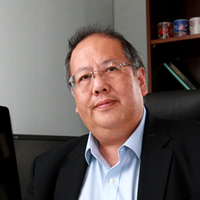
James Z. Lee

Dean and Chair Professor of the School of Humanities and Social Sciences

Understanding China, 1700-2000: A Data Analytic Approach, Part 1
В каталоге вашей программы

Инвестируйте в себя

Новые знания — в удобное для вас время.

Начать на Coursera

Обучение откроется на Coursera
в новой вкладке

Обучение на Coursera

≈ 7.4 ч

5 модулей

Язык: Английский

Субтитры: Арабский, Французский, Украинский, Китайский (Китай), Греческий, Итальянский, Бразильский португальский, Нидерландский, Корейский, Немецкий, Русский, Тайский, Индонезийский, Шведский, Турецкий, Испанский, Хинди, Японский, Казахский, Польский

Часть программы вашего университета
Видео
1.2: Who Gets What and Why?Видео
1.3: Social Mobility and the Examination System in Late Imperial ChinaВидео
1.4: Cultural Reproduction and Education in Late Imperial and Contemporary ChinaВидео
Module 1 Suggested ReadingЧтение
Quiz 1Задание
02Module 2: Education and Social Mobility in Contemporary China5 материалов

Module 2: Education and Social Mobility in Contemporary China

2.1: Comparing Inequality in Education and Income between China and the WestВидео2.2: Student Diversity at Peking University 1950-1999 and Suzhou University 1950-2003Видео2.3: China’s Silent Revolution’s Ladder of SuccessВидеоModule 2 Suggested ReadingЧтениеQuiz 2Задание
03Module 3: Social Mobility and Wealth Distribution in Late Imperial and Contemporary China7 материалов

Module 3: Social Mobility and Wealth Distribution in Late Imperial and Contemporary China

3.1: Wealth Distribution in the UK and US, 1700-2000Видео3.2: Population Categories and Wealth Entitlements in ChinaВидео3.3: Land Distribution in Shuangcheng, 1870-1906Видео3.4: Property Distribution in Contemporary ChinaВидео3.5: Comparative Wealth Distribution: Past/Present and East/WestВидеоModule 3 Suggested ReadingЧтениеQuiz 3Задание
04Module 4: Wealth Distribution and Regime Change in Twentieth Century China7 материалов

Module 4: Wealth Distribution and Regime Change in Twentieth Century China

4.1: Wealth Distribution and Regime ChangeВидео4.2: Wealth Distribution in Pre-Revolutionary ChinaВидео4.3: Political Processes and Institutions of Regime Change in Shuangcheng, 1946-1948Видео4.4: Revolutionary Victims in Shuangcheng and ElsewhereВидео4.5: Course ConclusionВидеоModule 4 Suggested ReadingЧтениеQuiz 4Задание
05Final Exam and Farewell4 материалов

Final Exam and Farewell

Final ExamЗаданиеA Farewell Message from Professor James LeeЧтениеPost-course SurveyЗаданиеRate this courseЧтение