К содержимому
learnspaceYOUR NEXT CHAPTER
ПРОСТРАНСТВО ОБУЧЕНИЯ
ГлавнаяКаталог курсовМоё обучениеCoursera

Знания без границ

Учитесь у лучших университетов и компаний мира.

Открыть Coursera
Интеграция
Пространство университета
Моё пространствоСтраница курса
↵
ЯЛичный кабинетСтудент
© 2026 LearnSpaceКаждый день — возможность узнать больше.Помощь
Violence Against Healthcare · LearnSpace
Назад в каталог
courseraОбщество

Violence Against Healthcare

Курс от University of Geneva
Начальный≈ 15.1 чАнглийский
О курсеНавыкиПрограммаПреподаватели

О курсе

At the global level, there are many countries marked by violence affecting health care. The 'Health care in danger' project aims to establish practical measures and recommendations that can be implemented on the ground by policy-makers, humanitarian organizations and health professionals. In view of the multiplicity of actors and latitudes concerned, it is essential to be able to make available the tools needed to make informed decisions, guide behaviour in high-risk areas and provide everyone the means to create and optimize the dialogue between humanitarian professionals and health on the one hand and relevant authorities or other armed actors. This course covers various topics such as ethics, rights and responsibilities of the staff of health and pre-hospital personnel, issues related to international law and humanitarian law, international human rights, caregivers and patient safety as well as the role of communities to address and reduce violence against health care.

Навыки, которые вы освоите

Healthcare EthicsSafety and SecurityPatient AdvocacyHealth CarePatient SafetyMitigationCrisis InterventionEthical Standards And ConductCommunity HealthHealth Care Procedure and RegulationEmergency Medical ServicesHealth PolicySafety AssuranceLegal RiskLaw, Regulation, and ComplianceEmergency ResponseRisk ManagementHealth Systems

Программа курса

8 модулей · 94 учебных материалов

01General Introduction7 материалов

The importance of addressing violence against Health Care together

General introductionВидеоThe importance of addressing violence against Health Care together -Angela Gussing (Regional Director for the Americas, ICRC)ВидеоSyllabusЧтениеCourse SummaryЧтение

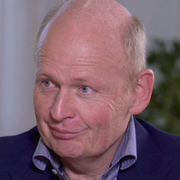
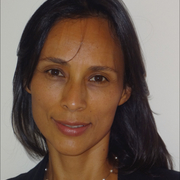
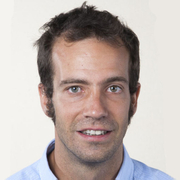
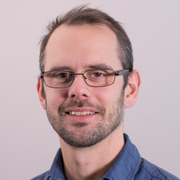
Учитесь у экспертов

Beat Stoll

Dr

Esperanza Martinez

Dr, Head of Health

Alexander Breitegger

Legal Adviser

Frederik Siem

Senior Adviser for Health Care in Danger

Luigi Fratini

Head of Prevention Cell Unit, Law & Policy department

Bruce Eshaya-Chauvin

Dr, Medical Advisor Health Care in Danger Project

Violence Against Healthcare
В каталоге вашей программы

Инвестируйте в себя

Новые знания — в удобное для вас время.

Начать на Coursera

Обучение откроется на Coursera
в новой вкладке

Обучение на Coursera

≈ 15.1 ч

8 модулей

Язык: Английский

Субтитры: Арабский, Французский, Украинский, Китайский (Китай), Греческий, Итальянский, Бразильский португальский, Нидерландский, Корейский, Немецкий, Русский, Тайский, Индонезийский, Шведский, Турецкий, Испанский, Хинди, Японский, Казахский, Польский

Часть программы вашего университета
General ReferencesЧтение
Key terms - Glossary and AcronymsЧтение
AcknowledgementsЧтение
02Module 1: Health-care personnel: ethical principles of health care in times of armed conflict and other emergencies15 материалов

Introduction Module 1: Health care in times of armed conflict and other emergencies

IntroductionВидеоKey resource for module 1Чтение

The challenges working in conflicts and other emergencies. It is precisely when the needs are the greatest, that the services become the weakest - Esperanza Martinez, (Head of the health unit, ICRC)

1.1.1 Me, The health provider - Esperanza Martinez, (Head of the health unit, ICRC)Видео1.1.2 Human resource challenges - Esperanza Martinez, (Head of the health unit, ICRC)Видео1.1.3 The ethical issues - Robin Coupland, (former field surgeon, ICRC)Видео1.1.4 Health Care in Danger: Voices of the Community - Dr Otmar Kloiber, (Secretary General, WMA)Видео1.1.5 The perspective of the beneficiaries - Eric Bernes, (Coordinator, First Aid & Prehospital Emergency care programs, ICRC)Видео

Data Collection. Data are indispensable, most of the time not significant and need to be nuanced by qualitative approaches.

1.2.1 Quantitative data and their bias - Robin Coupland, (former field surgeon, ICRC)Видео

Mental health and psychosocial support

1.3.1 Introduction to help the helpers’ strategy - Carla Uriarte, (Mental Health and Psychosocial Support Advisor, Health Unit, ICRC)Видео1.3.2 Help the Helpers program in Mexico (Excerpt from MHPSS film Healing Hidden Wounds, 2015)Видео1.3.3 MHPSS delegate interview (encapsulating presentation with Excerpt from Health care in Gaza: Mental health support for frontline workers, 2015)Видео

The vulnerable, the Invisibles

1.4.1 Explanation of the vulnerable groups, their invisibility and early search for them - Stephane Du Mortier, (Head of the Primary Health Care Services, ICRC)ВидеоDiscussion on module 1Обсуждение

Module one evaluation

Health-care personnel: ethical principles of health care in times of armed conflict and other emergenciesВзаимная проверка

Summary

Course summary module 1Видео
03Module 2: The legal framework on the protection of health-care delivery16 материалов

Introduction

Introduction Alexander Breitegger, (Legal Adviser, ICRC)ВидеоKey resources for module 2Чтение

The sources and scope of the legal framework

2.1.2 The scope of application of relevant legal frameworks - Alexander Breitegger, (Legal Adviser, ICRC)Видео2.1.3 The sources of international humanitarian law and international human rights law - Alexander Breitegger, (Legal Adviser, ICRC)Видео

Legal protection of patients, health-care personnel, facilities and medical transport

2.2.1a Case Study Yemen 1 : Operational implementation of obligation to provide impartial health care - Benjamin Charlier, (Legal Adviser, Advisory Services for International Humanitarian Law, ICRC) and Alexander Breitegger, (Legal Adviser, ICRC)Видео2.2.1b Case Study Yemen 1 : Operational implementation of obligation to provide impartial health care - Benjamin Charlier, (Legal Adviser, Advisory Services for International Humanitarian Law, ICRC) and Alexander Breitegger, (Legal Adviser, ICRC)Видео2.2.2a Challenges under domestic law for guaranteeing impartial delivery of health care: example of Colombia. Skype interview German Parra Gallego, (Operational Legal Adviser, ICRC Bogota) and Alexander Breitegger, (Legal Adviser, ICRC)Видео2.2.2b Challenges under domestic law for guaranteeing impartial delivery of health care: example of Colombia. b) Skype interview Jorge Arturo Cubides Granados, (Interinstitutional coordinator of the programme by the Presidency of Colombia on human rights and international humanitarian law) and Alexander Breitegger, (Legal Adviser, ICRC)Видео2.2.3 Case Study Yemen 2: Legal aspects relevant to attacks against health-care facilities - Marisela Silva Chau, (Thematic Legal Adviser, ICRC and formerly Operational-Legal Adviser for ICRC Afghanistan, Colombia and Peru) and Alexander Breitegger, (Legal Adviser, ICRC)Видео2.2.4 Case study Yemen 3: Legal aspects relevant to obstructions of passage of medical transports - Marisela Silva Chau, (Thematic Legal Adviser, ICRC and formerly Operational-Legal Adviser for ICRC Afghanistan, Colombia and Peru) and Alexander Breitegger, (Legal Adviser, ICRC)ВидеоDiscussion on module 2Обсуждение

Emblems and other ways to ensure identification of HC personnel, facilities and medical transports

2.3.1 The red cross, red crescent and red crystal emblems-authorized uses, misuses and associated obligations - Alexander Breitegger, (Legal Adviser, ICRC)Видео2.3.2 Other symbols and possibilities of identification - Alexander Breitegger, (Legal Adviser, ICRC)Видео

Module 2 Evaluation: International Humanitarian Law and International Human Rights Law application

A health-care facility embroiled in military operations (please read before attempting the quiz !)ЧтениеInternational Humanitarian Law and International Human Rights Law application (please read above case study text, before starting quiz!)Задание

Summary

Course Summary module 2Видео
04Module 3: Ambulance and prehospital services in risk situations13 материалов

Introduction to the issues faced by ambulance and prehospital services in risk situations

Introduction Frederik Siem, (Senior Adviser for Health Care in Danger, Norwegian Red Cross)ВидеоKey resources for module 3Чтение

Challenge of ensuring continuity of service, solutions

3.1.1 Aggression against ambulance personnel due to expectations exceeding capacityВидео3.1.2 Challenges and solutions: example from Lebanon - Frederik Siem, (Senior Adviser for Health Care in Danger, Norwegian Red Cross) and Rodney Eid, (Assistant Director for Crisis Management, Lebanese Red Cross)ВидеоDiscussion on module 3Обсуждение

Challenge of misuse of ambulances, solutions

3.2.1 Consequences of ambulance misuse: example from Baghdad - Frederik Siem, (Senior Adviser for Health Care in Danger, Norwegian Red Cross) and Sally Al-Nakshabandi, (Humanitarian Leadership and Management School - HLMS, ICRC)Видео3.2.2 Misuse of ambulances internally in the organization - Frederik Siem, (Senior Adviser for Health Care in Danger, Norwegian Red Cross)Видео

Challenge of attacks on ambulances and pre-hospital personnel

3.3.1 Solutions to operational dilemmas encountered in hot zones - Frederik Siem, (Senior Adviser for Health Care in Danger, Norwegian Red Cross)Видео3.3.2 Importance of situational awareness in risk situations - Frederik Siem, (Senior Adviser for Health Care in Danger, Norwegian Red Cross)Видео3.3.3 Reasons behind and consequences of ambulance obstruction: example of Colombia - Frederik Siem, (Senior Adviser for Health Care in Danger, Norwegian Red Cross) and Dr Francisco Moreno Carillo, (Director of General Health, Colombian Red Cross) and Pascal Ollé Coordinator department of Salud ICRCВидео

How violence affects ambulance and prehospital services also in peaceful contexts

3.4.1 Adapting to violent situations in peaceful contexts: Example of Sweden - Jane Kautto, (President of the Swedish Ambulance Nurses Association)Видео

Evaluation: Ambulance and prehospital services in risk situations

Module 3: Ambulance and prehospital services in risk situationsЗадание

Summary

Course summary: module 3Видео
05Module 4: Hospital managers: ensuring the preparedness and security of health-care facilities in armed conflict and other emergencies15 материалов

Introduction

Introduction Dr Bruce Eshaya-Chauvin, (former Medical Adviser, Health Care in Danger project, ICRC)ВидеоKey resources for module 4Чтение

Lesson 1 Patients, families, staff: how to ease that process

4.1.1 The well-being of health-care personnel - Dr Bruce Eshaya-Chauvin, (former Medical Adviser, Health Care in Danger Project, ICRC) and Amanda Baumgartner (Head Nurse, ICRC DRC)Видео4.1.2 Relations between health-care personnel and patients - Dr Bruce Eshaya-Chauvin (former Medical Adviser, Health Care in Danger Project, ICRC) and Joana De Barros (Head Nurse, ICRC DRC)Видео4.1.3 Who should be cared for first - Dr Bruce Eshaya-Chauvin (former Medical Adviser, Health Care in Danger Project, ICRC) and Felicity Machoka, (Hospital Project Manager, ICRC Pakistan).Видео4.1.4 Hospital infrastructure, risk analysis and how to prepare - Federico Sittaro, (Water & Habitat - Strategic Planner: Health and Urban Infrastructures, ICRC)Видео4.1.5 The multi-dimension approach to safeguarding medical care in armed conflict and other emergencies - François Delfosse, (Security Advisor for the Attacks on Hospitals Project at MSF)Видео

Lesson 2 WHO and the safe hospital index

4.2.1 The importance of preparation of HC facilities for emergencies - Sona Bari, (Communications Manager at the WHO)Видео4.2.2 The safe hospital index: an assessment report and action plan for resilience and safety - Jonathan Abrahams, (Technical Officer, Health Policy in Disaster Risk Management, Country Health Emergency Preparedness and International Health Regulations in WHO Asian Disaster Preparedness Center - ADPC)Видео4.2.3 The safe hospital index: field implementation example in Nepal - Hyo Jeong Kim, (Technical officer for Humanitarian Policy & Guidance in WHO’s Health Emergencies Program)Видео4.2.4 The safe hospital index: benefits and how to implement the program in your own country - Dr Rudi Coninx, (Coordinator of Humanitarian Policy and Guidance in WHO’s Health Emergencies Program)Видео

Lesson 3 Hospitals in peaceful contexts and the pertinence of recommendations elaborated for times of conflict

4.3.1 Violence in the emergency room. , Sylviane Stotzer, (Nurse, Emergency Service, University Hospitals of Geneva HUG)ВидеоDiscussion of module 4Обсуждение

Quiz Module 4: Hospital managers: ensuring the preparedness and security of health-care facilities in armed conflict and other emergencies

Healthcare FacilitiesЗадание

Summary

Course Summary Module 4Видео
06Module 5 Weapons bearers: military operational practice to ensure safer access to and delivery of health care 12 материалов

Introduction

Introduction Jamie Williamson, (Head of Unit, Relations with Arms Carriers, ICRC)ВидеоKey resources for module 5Чтение

Lesson 1 Military Operational Practice

5.1.1 Main concerns regarding the protection of healthcare personnel and facilities - Jamie Williamson, (Head of Unit, Relations with Arms Carriers, ICRC)Видео

Lesson 2 Checkpoints

5.2.1 Practical measures/Ensuring safe passage of medical vehicles at checkpoints - David Maizlish, (Advisor, Military and Security Forces, ICRC)Видео5.2.2 Targeting of health-care facilities: Practical measures to be set up by armed forces and Non-State Armed Groups (NSAG) - David Maizlish (Advisor, Military and Security Forces, ICRC)Видео

Lesson 3 Non-State Armed Groups (NSAGs) and Health Care Provision

5.3.1 Non-State Armed Groups (NSAGs) and the Provision of Health Care, Part1 - Brian Mc Quinn, (Advisor on the Sociology of Non-State Armed Groups, ICRC) and Franziska Seethaler, (Associate on Relations with Non-State Armed Groups, ICRC)Видео5.3.2 Non-State Armed Groups (NSAGs) and the Provision of Health Care, Part2 - Brian Mc Quinn, (Advisor on the Sociology of Non-State Armed Groups, ICRC) and Franziska Seethaler, (Associate on Relations with Non-State Armed Groups, ICRC)ВидеоDiscussion of module 5Обсуждение

Lesson 4 Ethical challenges in Military Medicine

5.4.1 The ICMM and the issues of ethics in military medicine - Lt Col David Winkler, MD, PhD, (Chairman of the ICMM Center of Reference for Education on IHL and Ethics)Видео

Evaluation module 5: Weapons Bearers: military operational practice to ensure safer access to and delivery of health care

Key issues regarding arms carriers in the provision of health care in conflict zones (to be read before attempting the quiz !)ЧтениеMeasures and recommendations to improve arms carriers' respect for health care (please read the text here above before attempting this quiz !)Задание

Summary

Course Summary Module 5Видео
07Module 6: Members of the civil society: communities, National Societies, Religious Leaders, Health organizations and others15 материалов

Introduction

Introduction Luigi Fratini, (Head of the Prevention Cell Unit, ICRC)Видео

Lesson 1 National Societies

Key resources for lesson 1: National SocietiesЧтение6.1.1 The National Society Auxiliary role - Sylvia Khamati (Head of Health and Social Services, Kenya Red Cross - KRCS) and Luigi Fratini, (Head of the Prevention Cell Unit, ICRC)Видео

Lesson 2 The community

Key resources for lesson 2: the Role of CommunitiesЧтение6.2.1. Building Community resilience - Marta Pawlak, (Advisor on Community Based Protection & Sexual Violence, ICRC)Видео6.2.2 Encouraging Community to advocate on the respect and the protection of health care - Marta Pawlak, (Advisor on Community Based Protection & Sexual Violence, ICRC)Видео

Lesson 3 The role of health associations

Key resources for lesson 3: Medical AssociationsЧтение6.3.1 World Medical Association as promoter of respect of health care during crisis - Otmar Kloiber, (Secretary General, World Medical Association) and Luigi Fratini, (Head of the Prevention Cell Unit, ICRC)Видео6.3.2 The role of medical students, HCiD: Voices of the Community - Anna-Theresia Ekman, (International Federation of Medical Students’ Associations - IFMSA)Видео

Lesson 4 Religious Circles

Key resources for lesson 4: Religious CirclesЧтение6.4.1 The role of religious circles - Rafiullah Qureshi (Prevention Adviser, ICRC) and Luigi Fratini, (Head of the Prevention Cell Unit, ICRC)ВидеоDiscussion on module 6Обсуждение

Module 6 evaluation: Members of the civil society: communities, National Societies, Religious Leaders, Health organizations and others

Treeland and Sealand: Civil Society, Conflict and Health Care (please read before the quiz!)ЧтениеThe Role of Civil Society in relation to Health CareЗадание

Summary Module 6

Course Summary Module 6Видео
08Global Summary Violence against Health Care1 материалов

Global Summary

Connecting one another to end violence: building resilience and influencing behavior change - Dr Bruce Eshaya-Chauvin, (former Medical Adviser, Health Care in Danger Project, ICRC)Видео