К содержимому
learnspaceYOUR NEXT CHAPTER
ПРОСТРАНСТВО ОБУЧЕНИЯ
ГлавнаяКаталог курсовМоё обучениеCoursera

Знания без границ

Учитесь у лучших университетов и компаний мира.

Открыть Coursera
Интеграция
Пространство университета
Моё пространствоСтраница курса
↵
ЯЛичный кабинетСтудент
© 2026 LearnSpaceКаждый день — возможность узнать больше.Помощь
Wireless Communications for Everybody · LearnSpace
Назад в каталог
courseraИнженерия

Wireless Communications for Everybody

Курс от Yonsei University
Начальный≈ 13.8 чАнглийский
О курсеНавыкиПрограммаПреподаватели

О курсе

This course will provide an introduction and history of cellular communication systems that have changed our lives during the recent four decades and will become an essential and inseparable part of human life. The principles of wireless communication theory are covered with emphasis on the essential concept delivery to non-major learners in the easiest way. Then, it will be covered how such principles are realized and how multimedia services can be delivered in practical LTE cellular systems by which learners are connected and enjoys together in their lives. After completing this course, learners will be able to understand 1. What a cellular system is and how it has been developed so far 2. The very basic principles how information can be delivered efficiently using radio 3. How such principles are realized in LTE systems. 4. How people can be connected and multimedia services can be delivered in LTE systems

Навыки, которые вы освоите

Wireless NetworksCommunication SystemsTelecommunicationsDigital CommunicationsNetwork Performance ManagementSystem Design and ImplementationEmerging TechnologiesCapacity ManagementNetwork Infrastructure

Программа курса

6 модулей · 55 учебных материалов

01Introduction and History of Cellular Communication Systems9 материалов

1-1 Cellular Communication

1.1 Cellular CommunicationВидео

Discussion 1

Services in Cellular SystemОбсуждение

1-2 First/Second Generation, 1G/2G

1.2 First to Second Generation (1G to 2G)Видео

1-3 Third Generation, 3G

1.3 Third Generation System (3G)Видео

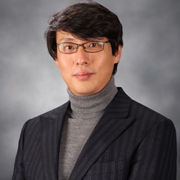
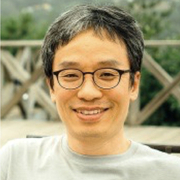
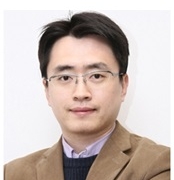
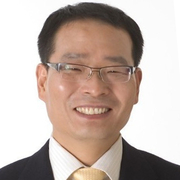
Учитесь у экспертов

Kwang-Soon Kim

Professor

Seong-Lyun Kim

Professor

Chan-Byoung Chae

Professor

Dae-Sik Hong

Professor

Song-Kuk Kim

Associate Professor

Wireless Communications for Everybody
В каталоге вашей программы

Инвестируйте в себя

Новые знания — в удобное для вас время.

Начать на Coursera

Обучение откроется на Coursera
в новой вкладке

Обучение на Coursera

≈ 13.8 ч

6 модулей

Язык: Английский

Субтитры: Арабский, Французский, Бенгальский, Украинский, Китайский (Китай), Греческий, Итальянский, Бразильский португальский, Вьетнамский, Нидерландский, Корейский, Немецкий, Пушту, Урду, Русский, Тайский, Индонезийский, Шведский, Турецкий, Азербайджанский, Испанский, Дари, Хинди, Японский, Казахский, Венгерский, Польский

Часть программы вашего университета

1-4 Fourth Generation, 4G

1.4 Fourth Generation System, (4G)Видео

1-5 Future Cellular System

1.5 Future Cellular SystemВидео

Discussion 2

5G Cellular SystemОбсуждение

Assessment

Practice Quiz for Introduction and History of Cellular Communication SystemsЗаданиеGraded Quiz for Introduction and History of Cellular Communication SystemsЗадание
02Principles of Wireless Communication Theory10 материалов

2.1 Principles of Wireless Communication Theory: 5 Questions

2.1Видео

Discussion 1

Shannon's Channel CapacityОбсуждение

2.2 How can we represent information into a binary format?

2.2Видео

2.3 How can information be transferred?

2.3Видео

2.4 Basic Wireless Digital MODEM structure

2.4Видео

2.5 How can high-rate data be delivered efficiently and reliably in a cellular environment?

2.5Видео

2.6 How can many users access to a cellular system simultaneously?

2.6Видео

Discussion 2

Cellular NetworksОбсуждение

Assessment

Practice QuizЗаданиеGraded QuizЗадание
03Principles of Wireless Resource Management10 материалов

3.1 How does the interference affect the capacity of wireless networks?

3.1Видео

3.2 Why does the cellular system look like as of today?

3.2Видео

Discussion 1

Wireless networksОбсуждение

3.3 Increasing the number of cells increases the capacity?

3.3Видео

3.4 How is 5G cellular being shaped?

3.4Видео

3.5 How does the interference management increase the capacity?

3.5Видео

3.6 How does scheduling increase the average capacity?

3.6Видео

Discussion 2

Interference managementОбсуждение

Assessment

Practice QuizЗаданиеGraded QuizЗадание
04Multiple Antenna Technologies9 материалов

4.1 Basics of Antenna

4.1Видео

4.2 Array Gain

4.2Видео

4.3 Diversity Gain

4.3Видео

4.4 Spatial Multiplexing

4.4Видео

Discussion #1: Multiple Antenna Gains

Multiple Antenna GainsОбсуждение

4.5 Single user MIMO? Multiuser MIMO?

4.5Видео

Discussion #2: Single user MIMO? Multiuser MIMO?

Single user MIMO? Multiuser MIMO?Обсуждение

Assessment

Practice QuizЗаданиеGraded QuizЗадание
05Physical Layer Design of LTE systems8 материалов

5.1 How are the principles implemented in LTE?

5.1Видео

Discussion 1

LTE Physical Channels and SignalsОбсуждение

5.2 Scheduling and Power Control in LTE

5.2Видео

Discussion 2

A critical issue in the future commercial cellular systemsОбсуждение

5.3 MIMO in LTE/LTE-Advanced

5.3Видео

Discussion 3

MIMO in LTE/LTE-AdvancedОбсуждение

Assessment

Practice QuizЗаданиеGraded QuizЗадание
06LTE Cellular Networks and Services9 материалов

6.1 What is Circuit Switching?

6.1 Circuit SwitchingВидео

6.2 What is Packet Switching?

6.2 Packet SwitchingВидео

6.3 How does data transfer through the LTE cellular network?

6.3 Mobile NetworkВидео

6.4 Mobility support in LTE cellular networks

6.4 HandoverВидео

Discussion 1

LTE core network - EPC (The Evolved Packet Core)Обсуждение

6.5 How can we maximize the data rate in cellular networks?

6.5 LTE with WiFiВидео

Discussion 2

Carrier AggregationОбсуждение

Assessment

Practice QuizЗаданиеGraded QuizЗадание