К содержимому
learnspaceYOUR NEXT CHAPTER
ПРОСТРАНСТВО ОБУЧЕНИЯ
ГлавнаяКаталог курсовМоё обучениеCoursera

Знания без границ

Учитесь у лучших университетов и компаний мира.

Открыть Coursera
Интеграция
Пространство университета
Моё пространствоСтраница курса
↵
ЯЛичный кабинетСтудент
© 2026 LearnSpaceКаждый день — возможность узнать больше.Помощь
The Science of Training Young Athletes · LearnSpace
Назад в каталог
courseraЛичное развитие

The Science of Training Young Athletes

Курс от University of Florida
Начальный≈ 19.8 чАнглийский
О курсеНавыкиПрограммаПреподаватели

О курсе

Seventy percent of kids drop out of sports before their high school graduation. Only 15% leave because they feel they are not good enough. Almost 70% leave because they were not having fun, or due to problems with the coach. Injuries cause 30% to give up sports. This course is packed full of practical sports science information that provide youth coaches and parents with the practical pediatric sports science insights to successfully retain young athletes and develop their sport potential while avoiding injury and overtraining. We begin by examining the multidimensional nature of coaching, the relevant sport motor performance abilities, the impact of growth and development on motor skills, the gene versus practice controversy, and briefly overview the body structures strengthened through training. Then we explore the athlete's energy supply, where this energy comes from, and how it matures along with the athlete. Finally, we examine the development of strength, power, anaerobic capacity, coordination and flexibility through the life span. The optional text manual for this course is available at: http://www.learnitez.com/HighPerformanceScience/manuals/

Навыки, которые вы освоите

Exercise SciencePhysiologyAthletic TrainingCoordinationCoachingSports MedicineAnatomyPediatricsHuman Musculoskeletal SystemChild DevelopmentWorking With ChildrenKinesiologyInjury PreventionTraining ProgramsPlanning

Программа курса

5 модулей · 127 учебных материалов

01Week 1: Introduction to the young athlete28 материалов

Lesson 1: Introduction to high performance coaching

Course IntroductionВидеоIntroduce YourselfОбсуждениеPart 1 - Introduction to high performance coachingВидеоPart 2 - How many kids play sports?Видео

Учитесь у экспертов

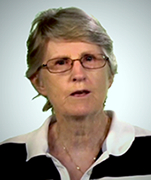
Dr. Chris Brooks

Instructor

The Science of Training Young Athletes
В каталоге вашей программы

Инвестируйте в себя

Новые знания — в удобное для вас время.

Начать на Coursera

Обучение откроется на Coursera
в новой вкладке

Обучение на Coursera

≈ 19.8 ч

5 модулей

Язык: Английский

Субтитры: Арабский, Французский, Бенгальский, Украинский, Китайский (Китай), Греческий, Итальянский, Бразильский португальский, Вьетнамский, Нидерландский, Корейский, Немецкий, Пушту, Урду, Русский, Тайский, Индонезийский, Шведский, Турецкий, Азербайджанский, Испанский, Дари, Хинди, Японский, Казахский, Венгерский, Польский

Часть программы вашего университета
Part 3 - Why do kids play sports?Видео
Part 4 - How we gain knowledgeВидео
Part 5 - The performance componentsВидео
Part 6 - The competitive performanceВидео
Part 7- Key points of high performance coachingВидео
Quiz 1Задание

Lesson 2: Motor performance abilities

Part 1 - Introduction to motor performance abilitiesВидеоPart 2 - Designing physical work capacityВидеоPart 3 - Five components of motor performanceВидеоPart 4a - Sport-specific motor abilitiesВидеоPart 4b - Sport-specific motor abilitiesВидеоPart 4c - Sport-specific motor abilitiesВидеоPart 5 - Key points of motor performance abilitiesВидеоQuiz 2Задание

Lesson 3: Growth and maturation

Part 1 - Introduction to growth and maturationВидеоPart 2 - Growth vs. maturationВидеоPart 3 - Gender and pubertyВидеоNeurological DevelopmentВидеоThermoregulation and CardiovascularВидеоVentilationВидеоPart 5- Key points of growth and maturationВидеоAdditional Insights: Educational Opportunities of Sport Organizations (Terry Crawford)ВидеоWeek 1 DiscussionОбсуждениеQuiz 3Задание
02Week 2: Strategies for maximizing the athlete’s potential 24 материалов

Lesson 1: Critical training periods

Part 1 - Introduction to critical training periodsВидеоPart 2 - OntogenyВидеоPart 3 - Development and environmentВидеоPart 4 - Motor circuitry developmentВидеоPart 5 - Periods of accelerated growthВидеоPart 6 - Key points of critical training periodsВидеоQuiz 4Задание

Lesson 2: Long term athlete development

Part 1 - Introduction to long term athlete developmentВидеоPart 2 - Four implicit principlesВидеоPart 3 - Physical literacyВидеоPart 4 - Training approachesВидеоPart 5 - Key points of long term athlete developmentВидеоQuiz 5Задание

Additional Insights

Dr. Mike Sagas IntroductionВидеоSamplingВидеоBenefits of early samplingВидеоWhat is deliberate play?Видео

Lesson 3: Factors affecting potential

Part 1 - Introduction to factors affecting potentialВидеоPart 2 - Genotype vs. phenotypeВидеоPart 3 - Genetic ceiling effectВидеоPart 4 - Why the body's systems adaptВидеоPart 5 - Key points of factors affecting potentialВидеоWeek 2 DiscussionОбсуждение
03Week 3: How the body works22 материалов

Lesson 1: Body structures important for performance

Part 1 - Introduction to important body structuresВидеоPart 2 - Skeletal and muscular systemВидеоPart 3 - Nervous systemВидеоPart 4 - Respiratory systemВидеоPart 5 - Cardiovascular systemВидеоPart 6 - Key points of important body structuresВидеоQuiz 7Задание

Lesson 2: The athlete's energy supply

Part 1 - Introduction to energy supplyВидеоPart 2 - ATP structure and rechargingВидеоPart 3 - Creatine phosphate (CP) mechanismВидеоPart 4 - Fast glycolysisВидеоPart 5 - Aerobic energy systemВидеоPart 6 - How mitochondria workВидео

Lesson 3: Energy system fuels and diet

Part 1 - Introduction to energy system fuels and dietВидеоPart 2 - Nutrient processingВидеоPart 3 - Role of vitamins and mineralsВидеоPart 4 - Nutritional concernsВидеоPart 5 - Key points of energy system fuels and dietВидеоWeek 3 DiscussionОбсуждение
04 Week 4: Enhancing the athlete’s physical work capacity29 материалов

Lesson 1: Aerobic capacity

Part 1 - Introduction to aerobic capacityВидеоPart 2 - The VO2max testВидеоPart 3 - Comparing the VO2max of athletesВидеоPart 4 - Aerobic capacity of young athletesВидеоPart 5 - Relative VO2max of trained vs untrained childrenВидеоPart 6 - The child's economyВидеоPart 7 - Key points of aerobic capacityВидеоQuiz 10Задание

Lesson 2: Strength

Part 1- Introduction to strengthВидеоPart 2 - Gender strength differencesВидеоPart 3 - Trainability of strengthВидеоPart 4 - Strength adaptation and training safetyВидеоPart 5 - Key points of strengthВидеоQuiz 11Задание

Lesson 3: Physiology of strength and power

Part 1 - Introduction to the physiology of strength and powerВидеоPart 2 - Muscle components affecting strength and powerВидеоPart 3 - Intrinsic sensorsВидеоPart 4 - Stretch-shortening cycleВидеоPart 5 - Strength and muscle fiber typeВидеоPart 6 - Key points of the physiology of strengthВидео

Lesson 4: Anaerobic capacity

Part 1 - Introduction to anaerobic capacityВидеоPart 2 - Effect of gender and ageВидеоPart 3 - Explaining development of anaerobic performanceВидеоPart 4 - Sport performance insightsВидеоPart 5 - Key points of anaerobic capacityВидеоWeek 4 DiscussionОбсуждение

Peer Reviewed Assignment

Coaching IssuesВзаимная проверка
05Week 5: Enhancing the fluidity of movement24 материалов

Lesson 1: Coordination

Part 1 - Introduction to coordinationВидеоPart 2 - Brain motor control areasВидеоPart 3 - Coordinating variablesВидеоPart 4 - Optimal sequential timingВидеоPart 5 - Soccer example of coordination & controlВидеоPart 6 - Learning controlВидеоPart 7 - Key points of coordinationВидеоQuiz 14Задание

Lesson 2: Flexibility

Part 1 - Introduction to flexibilityВидеоPart 2 - Range of motion strategiesВидеоPart 3 - Children and flexibilityВидеоPart 4 - Varieties of stretchingВидеоPart 5 - Effect of stretching on a muscleВидеоPart 6 - Position statementВидео

Supplemental Lectures: Strengthen your insights

Psychology 1 - Acquiring expertise (Dr. Mark Williams)ВидеоPsychology 2 - Talent identification and development (Dr. Mark Williams)ВидеоPsychology 3 - Perceptual and Cognitive Expertise (Dr. Mark Williams)Видео

Never stop learning: More about UF Sports Management

Dean Reid IntroductionВидеоDr. Mike Sagas: Sports Management OverviewВидеоSports Management Faculty IntroductionsВидеоDr. Tom LivengoodВидео
Quiz 6Задание
Part 7 - Key points of energy supplyВидео
Quiz 8Задание
Quiz 9Задание
Quiz 12Задание
Quiz 13Задание
Part 7 - Key points of flexibilityВидео
Week 5 DiscussionОбсуждение
Quiz 15Задание